A life in context
The person behind the prize
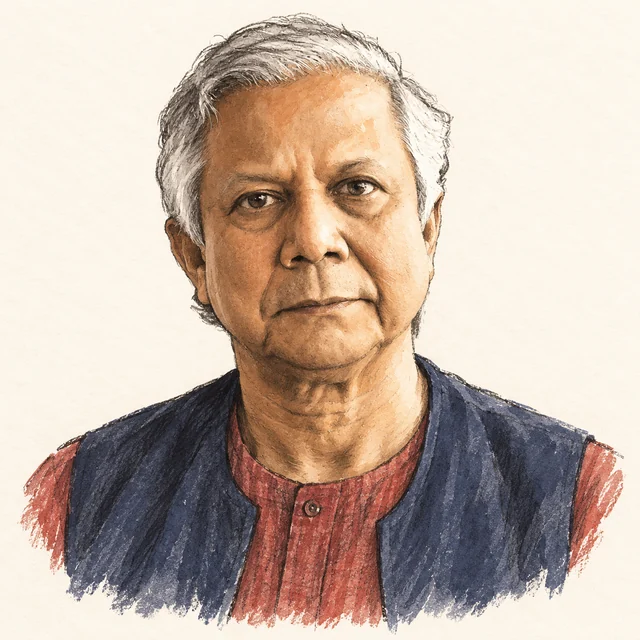
Yunus studied economics in Bangladesh and the United States and became a professor at the University of Chittagong in 1972. The 1974 famine pushed him to look for practical ways of responding to poverty beyond classroom economics. Small lending experiments grew into the Grameen project and then Grameen Bank. His biography here concerns the work recognised by the 2006 award.
The contribution
Yunus developed and promoted lending to people excluded from conventional bank credit because they lacked collateral. Small loans could let borrowers buy tools or materials for income-generating work. The Peace Prize linked these efforts to opportunity, dignity and development from below. It did not establish that every loan succeeds or that borrowing alone can remove the many causes of poverty.
The idea in plain language
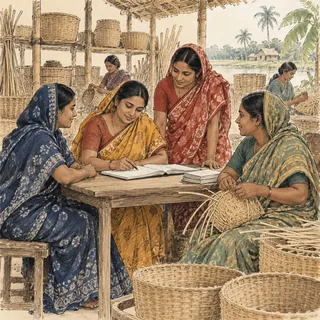
A person may have the skill to make baskets or repair clothing but lack money for materials and tools. A conventional lender may ask for collateral: an asset it can claim if the loan is not repaid. People with few assets can therefore be excluded even when a modest amount of capital would help them work.
Read the full award story ↗