A life in context
The person behind the prize
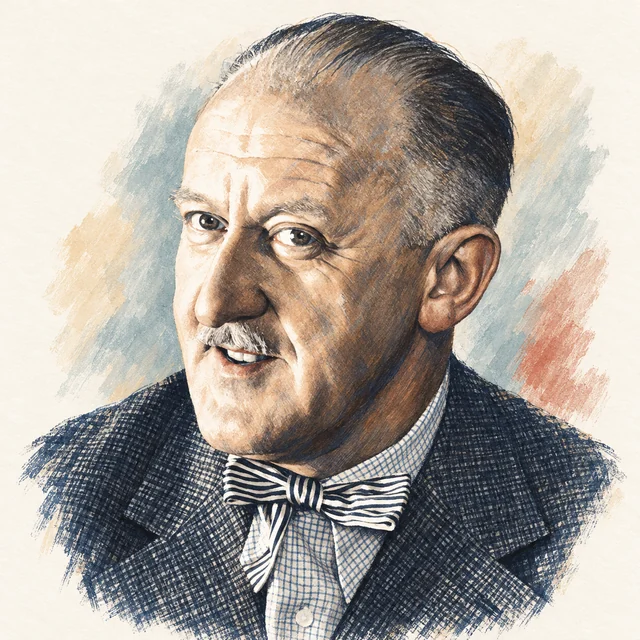
Laxness grew up in rural Iceland outside Reykjavík and began travelling abroad as a teenager. Barn náttúrunnar appeared in 1919, preceding The Great Weaver from Kashmir in 1927, which his official biography identifies as an early major novel rather than his first publication. European literary movements, a Catholic period in the 1920s and later socialist concerns influenced his development. He settled in Iceland in 1930. Salka Valka in 1931–1932, Independent People in 1934–1935 and the four-part World Light in 1937–1940 examined lives within difficult social circumstances through varied narrative forms. Iceland’s Bell in 1943–1946 and Gerpla in 1952 reworked historical material and the saga tradition; The Atom Station in 1948 addressed contemporary questions. Humour, sympathy and an individual prose style helped renew Icelandic narrative art. He received the full 1955 prize. Later books, including The Fish Can Sing in 1957 and Paradise Reclaimed in 1960, should not be projected backward into the award-year body of work.
The contribution
Laxness renewed Icelandic narrative art through vivid epic storytelling, individual destinies, humour and engagement with inherited traditions. He received the full Literature Prize.
The idea in plain language
How can a long narrative tradition remain alive in a changing society? Laxness drew on Icelandic storytelling while developing varied modern prose forms. His novels examined particular lives, material hardship, ambition and community, with humour and sympathy that resist reducing characters to a single political lesson.
Read the full award story ↗

