A life in context
The person behind the prize
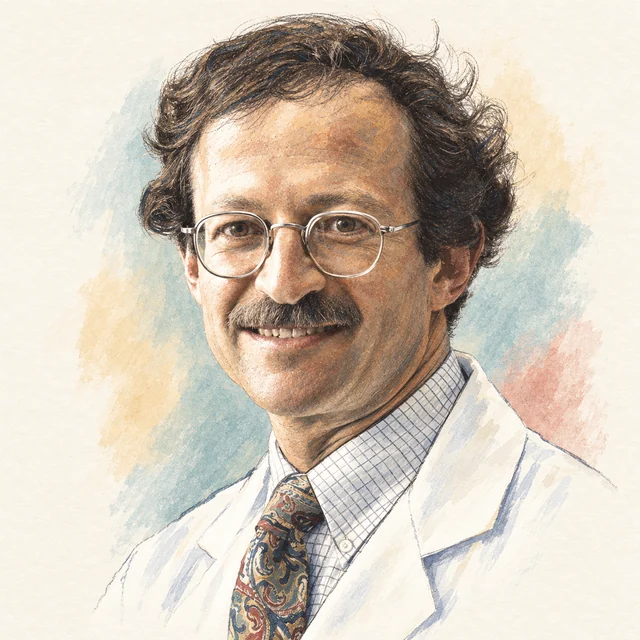
Varmus grew up on Long Island and studied English literature at Amherst. A year of graduate literature study at Harvard preceded medical training at Columbia. Clinical work was followed by research with Ira Pastan at the NIH from 1968. He joined Bishop’s UCSF group in 1970, bringing an interest in gene regulation to retrovirus research. He became a faculty member in 1972. His autobiography describes a change of field and a collaborative laboratory culture rather than a single isolated discovery.
The contribution
Varmus helped develop molecular tools to trace the origins and behaviour of retroviral genes. With Bishop and colleagues, he showed that normal cellular DNA contains sequences related to the viral src oncogene. This established the cellular origin of a retroviral oncogene and opened investigation of proto-oncogenes: normal genes whose altered activity can contribute to cancer. Multiple changes and cellular context matter. Varmus received half of the Medicine Prize.
The idea in plain language
Rous sarcoma virus can cause tumours in chickens, and its src gene was known to be important for that ability. Was such a cancer-promoting gene unique to the virus? Bishop, Varmus and colleagues used molecular comparisons involving viral forms with and without the cancer-promoting region. A probe related to that region detected corresponding sequences in normal cellular DNA, including cells of different species.
Read the full award story ↗