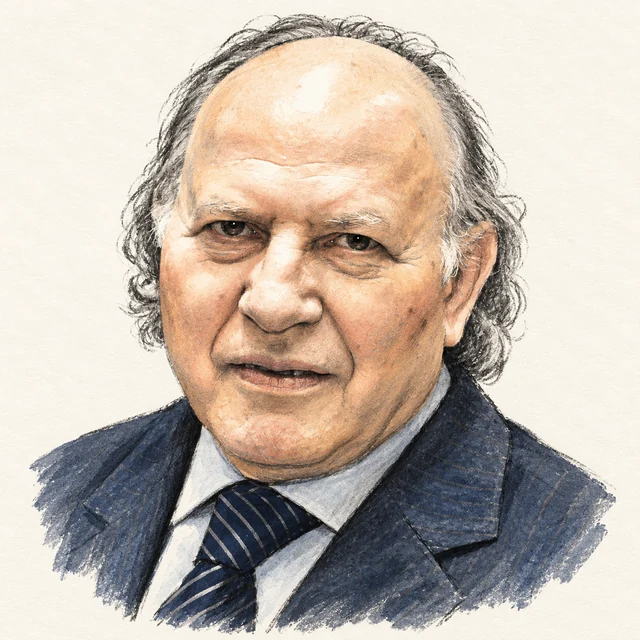
A life in context
The person behind the prize
Kertész was born into a Jewish family in Budapest. Deported to Auschwitz in 1944 and then to Buchenwald, he survived and returned to Hungary after liberation in 1945. He worked as a journalist before losing his newspaper job in 1951, and later supported himself through writing and translation from German. His first novel, Fateless, appeared in Hungarian in 1975 after years of work and initially received little attention.
The contribution
Kertész transformed experiences of persecution and survival into carefully constructed fiction. Fateless follows a young narrator whose limited understanding makes familiar explanations of history feel inadequate. Later works, including Fiasco and Kaddish for a Child Not Born, examine writing, memory and life after catastrophe. The prize recognised the force of this literary achievement, not simply a testimony of events: narrative voice, form and ambiguity are essential to how the books work.
The idea in plain language
Large accounts of history can make individual lives disappear into categories and totals. Kertész’s novels return attention to the narrow, changing perspective of a person living through events without knowing their outcome. In Fateless, a young narrator’s ordinary observations and limited understanding create an unsettling distance between what he says and what a reader may recognise.
Read the full award story ↗

