A life in context
The person behind the prize
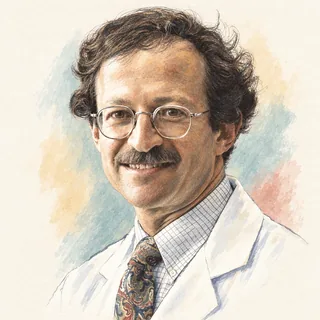
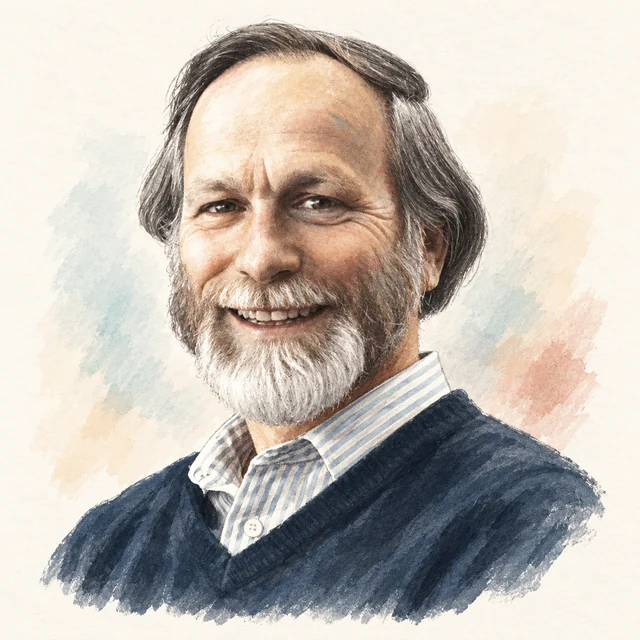
Bishop grew up in rural Pennsylvania in a family that encouraged music and learning. Chemistry at Gettysburg and medical training at Harvard led him toward experimental medicine and viruses. He worked on poliovirus at the NIH and spent time in Hamburg before joining UCSF in February 1968. Rous sarcoma virus became a central research subject. Harold Varmus joined in 1970; their collaboration combined virology and molecular methods, with major experimental contributions from younger colleagues.
The contribution
Bishop and Varmus led work showing that the cancer-promoting src gene in Rous sarcoma virus had a counterpart in normal cells. The discovery revealed that a viral oncogene could originate from an ordinary cellular gene involved in growth regulation. Dominique Stehelin and Deborah Spector made key experimental contributions; the result was reported in 1976. It changed cancer research without implying that every cancer is caused by a virus. Bishop received half of the prize.
The idea in plain language
Rous sarcoma virus can cause tumours in chickens, and its src gene was known to be important for that ability. Was such a cancer-promoting gene unique to the virus? Bishop, Varmus and colleagues used molecular comparisons involving viral forms with and without the cancer-promoting region. A probe related to that region detected corresponding sequences in normal cellular DNA, including cells of different species.
Read the full award story ↗