A life in context
The person behind the prize
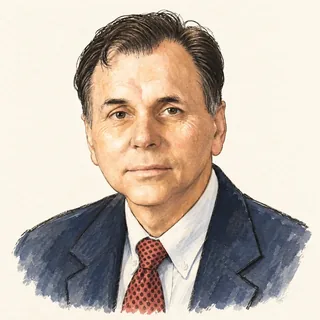
Warren received his medical degree at the University of Adelaide in 1961 and worked in several hospitals before becoming a pathologist at Royal Perth Hospital in 1968. He examined tissue samples under the microscope, a setting in which careful attention to an unexpected pattern could challenge an accepted explanation. He retired in 1999, before receiving the Nobel Prize.
The contribution
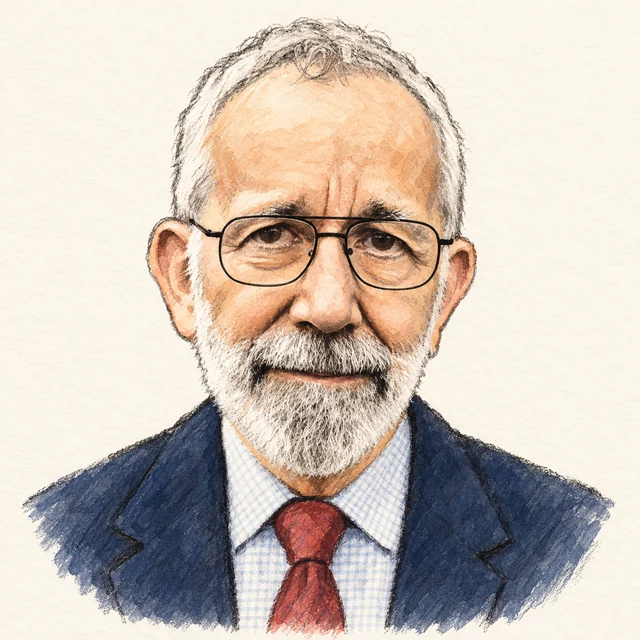
Warren observed small curved bacteria close to areas of inflammation in the stomach lining. Instead of dismissing them as irrelevant, he documented their association with disease and collaborated with Marshall on systematic patient studies. This pathological evidence, joined with culture and later clinical research, helped establish the causal role of H. pylori in gastritis and many peptic ulcers.
The idea in plain language
The stomach is an acidic environment, so bacteria were easy to overlook as an explanation for persistent disease there. Warren saw curved bacteria near inflamed areas of the stomach lining. Marshall joined the investigation and cultured the organism in 1982. Systematic studies connected its presence with gastritis and peptic ulcers, challenging the prevailing explanation centred on stress and lifestyle.
Read the full award story ↗