A life in context
The person behind the prize
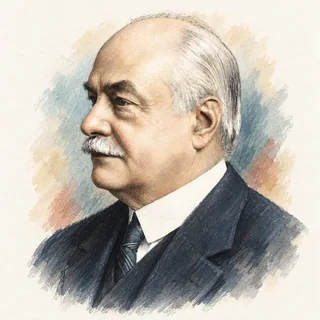
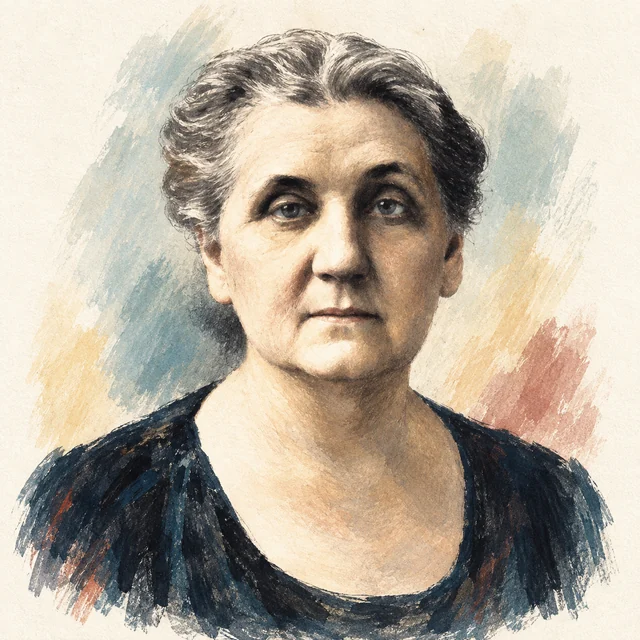
Addams studied at Rockford Female Seminary and encountered European settlement-house work during her travels. In 1889 she and Ellen Gates Starr founded Hull House in Chicago. Its educational, cultural and social work developed alongside investigations of labor conditions and campaigns for public reform. Addams linked peace with democratic participation and the conditions of ordinary life. She helped organize the Women’s Peace Party and chaired the international women’s congress at The Hague in 1915, working with Aletta Jacobs and other organizers. The movement adopted the Women’s International League for Peace and Freedom name and constitution in 1919. She opposed American entry into the First World War and supported relief across former enemy lines. She shared the 1931 Peace Prize with Butler, whose approach differed from hers. Hospitalization prevented her attendance; the American minister accepted both awards. Addams never delivered a Nobel lecture. She died in 1935.
The contribution
Addams received half the Peace Prize for international peace organizing and the social and democratic commitments behind it. Her leadership of women’s peace networks grew from sustained collective work, not a single successful treaty.
The idea in plain language
For Addams, peace was connected with democratic participation and the material conditions of life. Hull House, co-founded with Ellen Gates Starr in 1889, developed education and social reform through sustained local work. Internationally, she chaired the 1915 Hague women’s congress with organizers including Aletta Jacobs. The movement adopted the WILPF name and constitution in 1919. She opposed American entry into the First World War and worked for relief across former enemy lines.
Read the full award story ↗