A life in context
The person behind the prize
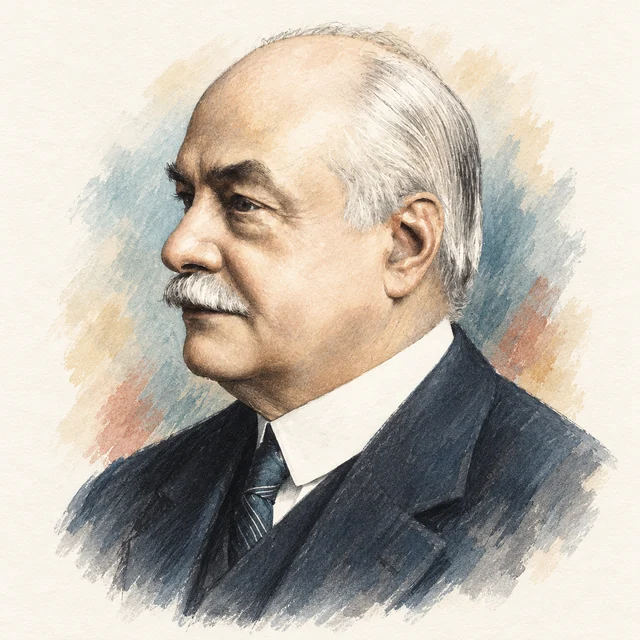
Butler completed his Columbia doctorate in 1884, studied in Europe and returned to teach. He was Columbia’s president from 1902 to 1945, alongside extensive work in educational institutions and Republican politics. He promoted international conciliation, legal settlement and the development of institutions through which states could address disputes. A leader in the Carnegie Endowment from its early years, he became its president in 1925. His public advocacy supported the diplomatic movement associated with the 1928 Kellogg–Briand Pact, but he neither single-handedly wrote the agreement nor made war impossible. Unlike Addams, he supported American entry into the First World War. His educational leadership also included exclusion: Columbia’s own historical programming documents restrictions on Jewish undergraduate admission during his presidency. This history belongs beside his internationalist achievements. He shared the 1931 Peace Prize equally with Addams; both were absent from the ceremony and represented by the American minister. He died in 1947.
The contribution
Butler received half the Peace Prize for promoting international conciliation, arbitration and peace institutions. His approach emphasized diplomacy and legal agreements rather than Addams’s opposition to wartime participation.
The idea in plain language
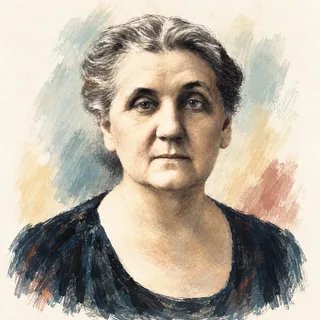
For Addams, peace was connected with democratic participation and the material conditions of life. Hull House, co-founded with Ellen Gates Starr in 1889, developed education and social reform through sustained local work. Internationally, she chaired the 1915 Hague women’s congress with organizers including Aletta Jacobs. The movement adopted the WILPF name and constitution in 1919. She opposed American entry into the First World War and worked for relief across former enemy lines.
Read the full award story ↗