A life in context
The person behind the prize
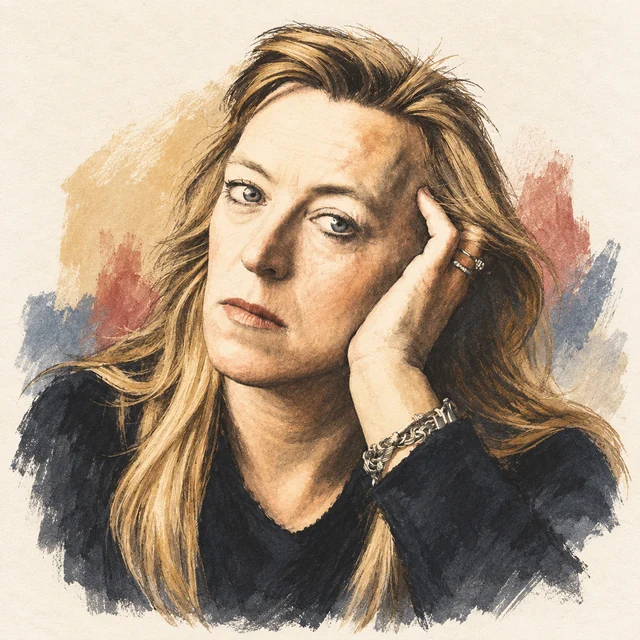
Williams studied languages, teaching and international relations. Before coordinating the landmine campaign, she worked on public education and humanitarian relief connected with Central America, including El Salvador. That experience brought the civilian effects of conflict into her work. She helped link organisations across borders and turn evidence of harm into a focused international campaign.
The contribution
As the ICBL’s coordinator, Williams helped build and mobilize a network of organisations pressing for a comprehensive anti-personnel mine ban. She communicated the humanitarian case and worked with campaign partners and supportive governments during the Ottawa process. She received half the Peace Prize personally; the other half went to the ICBL, preserving the distinction between her leadership and the collective organisation.
The idea in plain language
Anti-personnel mines can continue harming civilians long after a conflict has ended, obstructing everyday life and recovery. The ICBL linked organisations across countries to make the humanitarian consequences visible and press for a comprehensive ban. Williams coordinated the network’s advocacy and cooperation with supportive governments. The Nobel Committee recognized both the collective campaign and her leadership.
Read the full award story ↗