A life in context
The person behind the prize
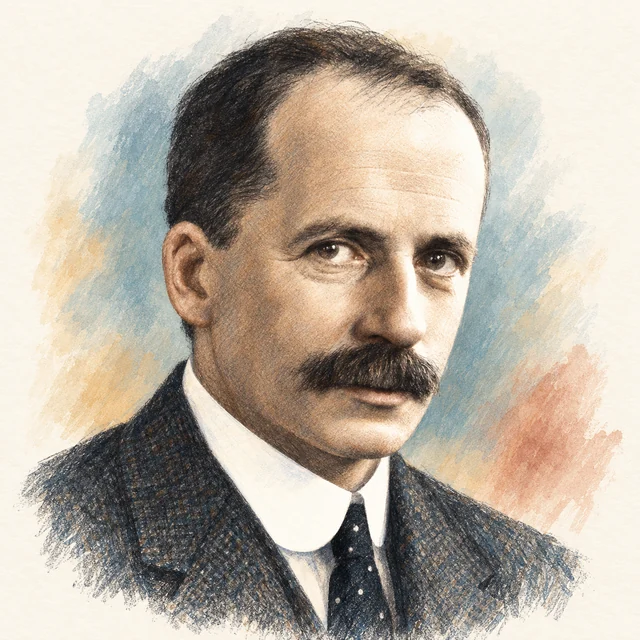
Macleod grew up in Scotland and graduated in medicine from Aberdeen in 1898. A fellowship took him to Leipzig, followed by teaching and research at the London Hospital Medical School. In 1903 he became professor of physiology at Western Reserve in Cleveland, and in 1918 moved to the University of Toronto. He had already studied carbohydrate metabolism and diabetes for years when Banting approached him about pancreatic research. Macleod supplied laboratory facilities and physiological expertise, directed the developing programme and helped extend the investigation beyond an initial observation of lowered blood sugar. Charles Best worked with Banting, and James Collip’s biochemical work improved the preparations used in the clinical studies. The discovery and early development of insulin therefore involved a wider team than the two Nobel recipients. Macleod received half the 1923 Medicine Prize while affiliated with Toronto. In 1928 he returned to Aberdeen as Regius Professor of Physiology. His work also included teaching, textbooks and investigations of how the nervous system and other organs affect metabolism. He died in Aberdeen in 1935.
The contribution
Macleod received half the Medicine Prize for the discovery of insulin. His laboratory direction and expertise in carbohydrate metabolism helped organise and test the Toronto programme, including work with Banting, Best and Collip.
The idea in plain language
Earlier research had connected the pancreas with the control of blood sugar, but obtaining a dependable treatment remained difficult. Banting began experimental work with Best in Macleod’s Toronto laboratory in 1921. Macleod’s physiological expertise and direction helped the project develop, while Collip’s biochemical work improved the preparations.
Read the full award story ↗