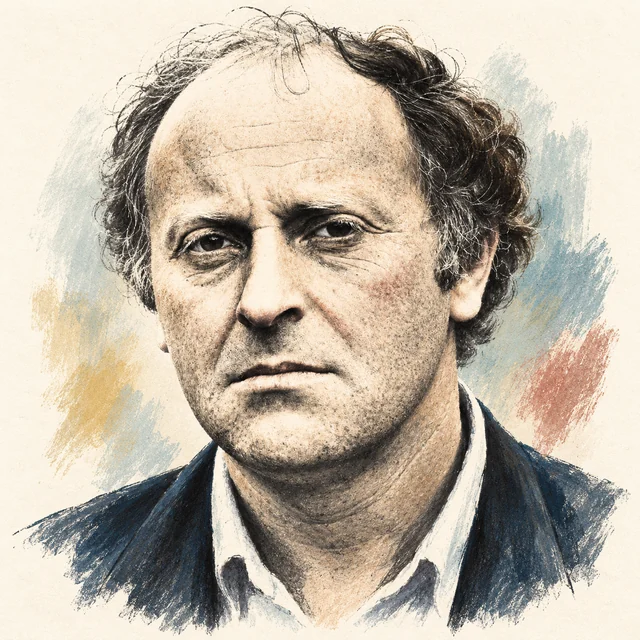
A life in context
The person behind the prize
Brodsky grew up in Leningrad, leaving school early and working while developing as a poet and translator. Anna Akhmatova recognised his writing. Convicted of "social parasitism" in 1964, he received a five-year sentence to forced labour but was released in 1965. Forced to leave the Soviet Union in 1972, he settled in the United States, teaching and continuing to write. His poetry largely remained in Russian, while he also wrote essays in English. Less Than One appeared in 1986. His work crossed languages through translation and literary friendships.
The contribution
Brodsky’s poetry and essays connect linguistic precision with memory, exile, time and individual experience. His writing draws on Russian and wider poetic traditions, including engagement with English poetry. The prize recognised a body of work rather than a single book or a political programme. Original poems and translated editions can have different publication dates; the English A Part of Speech appeared in 1980, while Less Than One appeared in 1986.
The idea in plain language
Brodsky’s writing links precise language with the pressures of time, memory and displacement. His poems engage Russian traditions and poets from other languages. Translation and sustained reading connected him with English poetry, including John Donne and W. H. Auden.
Read the full award story ↗

