A life in context
The person behind the prize
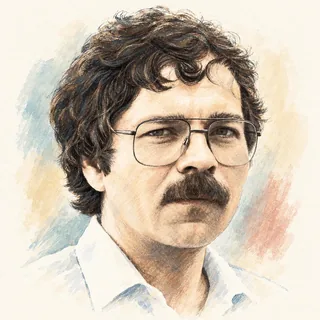
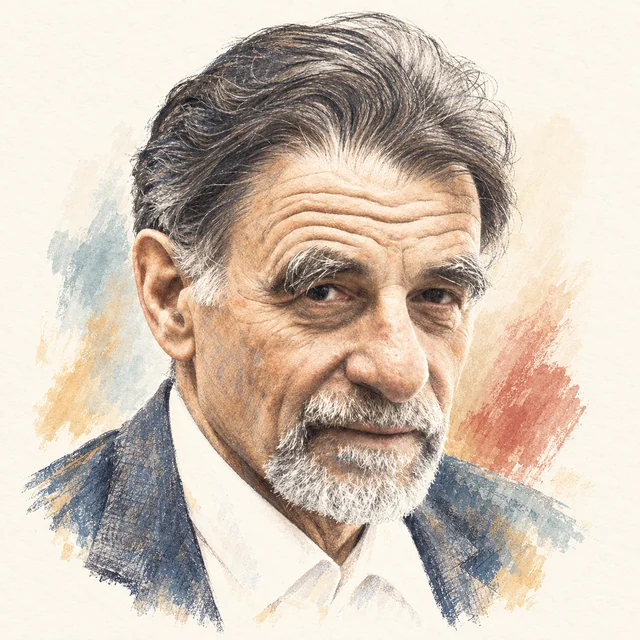
Müller was born in Basel and studied at ETH Zurich, completing a doctorate in 1958 on magnetic resonance in strontium titanate. Work at Battelle in Geneva preceded his move to IBM in 1963. He also taught at Zurich, becoming a professor in 1970. Years of research on perovskite oxides and critical phenomena informed his later search with Bednorz. An IBM Fellow from 1982, he stepped down from group management in 1985 to concentrate on research. Their collaboration combined physical hypotheses with demanding materials experiments.
The contribution
Müller helped choose oxide systems and interpret experiments in the search that produced copper-oxide superconductivity in 1986. The result challenged expectations based on previously studied materials, rather than establishing a complete theory of cuprates. The 1987 prize recognised their discovery; the roughly 35 K original result and later above-90 K compounds are different stages. He received one half of the prize.
The idea in plain language
Superconductors can carry current without electrical resistance below suitable limits. Before 1986, the highest transition temperatures were around 23 K. Bednorz and Müller searched oxide ceramics instead of assuming that established metallic materials were the only promising route.
Read the full award story ↗