A life in context
The person behind the prize
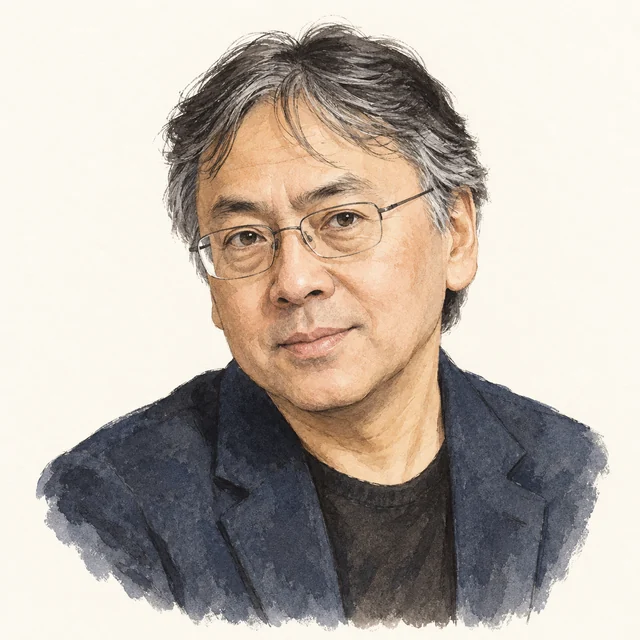
Ishiguro moved from Japan to Britain with his family at the age of five. He studied English and philosophy at Kent, then creative writing at East Anglia, completing his master’s degree in 1980. His first novel appeared in 1982. Across settings ranging from postwar Japan to an English household and imagined worlds, his restrained narrators reveal how people remember, misunderstand and protect their accounts of a life.
The contribution
His novels explore gaps between what a person tells themselves and what a reader gradually understands. The Remains of the Day examines duty and regret; Never Let Me Go uses speculative fiction to ask questions about attachment and human worth. The prize recognised his writing across genres.
The idea in plain language
A narrator can sound precise and sincere while failing to see something important about their own life. Ishiguro makes that gap part of the reader’s experience. In The Remains of the Day, a butler’s account of service and professionalism gradually raises questions about loyalty, lost opportunities and regret. Small details and omissions matter because the narrator does not simply announce everything the reader needs to understand. Memory becomes an act of interpretation, not a perfect recording.
Read the full award story ↗

