A life in context
The person behind the prize
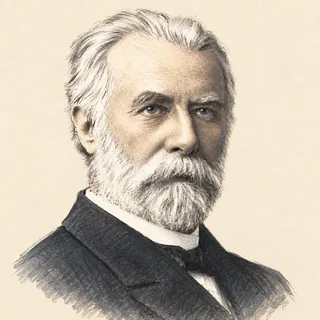
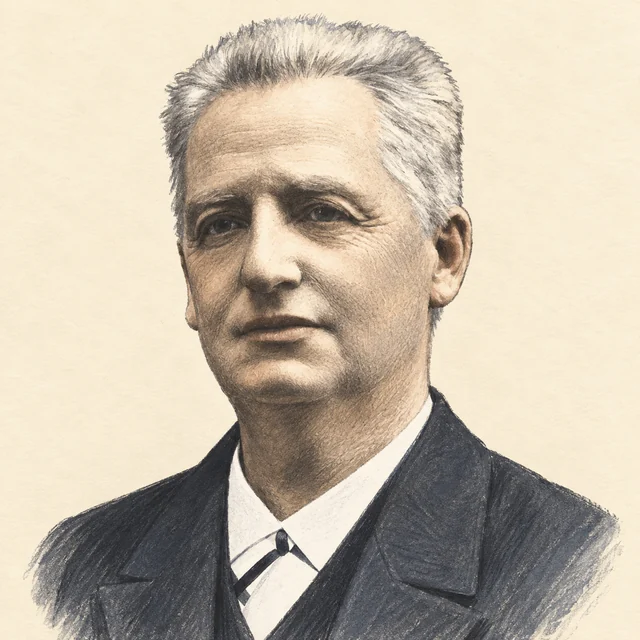
Klas Pontus Arnoldson left school after his father’s death and worked for the Swedish railways, eventually becoming a stationmaster. Reading, journalism and religious discussion developed alongside his employment. Freedom of conscience and opposition to war became lasting public concerns. He served in the Swedish parliament from 1882 to 1887 and helped found the Swedish Peace and Arbitration Society in 1883, acting as its secretary during its early years. The society was a collective undertaking by parliamentarians and other supporters, not the work of one isolated campaigner. Arnoldson promoted neutrality, international arbitration and cooperation among the Scandinavian peoples. Speaking tours in Norway and petitions helped bring arbitration into public and parliamentary debate. During the dangerous Sweden–Norway union dispute of 1895, he argued that peace should take priority over preserving the union by force. He later supported Norway’s right to independence, and the peaceful dissolution in 1905 belonged to a much broader political and civic effort. His books, including Pax Mundi and The Hope of the Centuries, carried arguments for peace beyond a single parliamentary term. He shared the 1908 Peace Prize equally with Fredrik Bajer for sustained work as a politician, organiser, speaker and writer. Arnoldson attended the ceremony and delivered a Nobel lecture afterwards; the published introduction is a translated newspaper account rather than a verbatim transcript. He died in Stockholm in 1916. His career joined patient organisation with public persuasion, while the outbreak of world war showed that appeals to arbitration and fraternity could not by themselves compel governments to abandon force.
The contribution
Arnoldson received half the Peace Prize for long work for peace through politics, public writing, speaking and peace-society organisation. Arbitration, neutrality and opposition to war between Sweden and Norway were central concerns.
The idea in plain language
Arnoldson helped build the Swedish peace movement, promoting neutrality and international arbitration. During tensions over the union with Norway he urged that peace should come before maintaining the union by force. Speaking, petitions and books carried these arguments beyond parliament, while the peaceful dissolution of 1905 depended on many actors.
Read the full award story ↗