A life in context
The person behind the prize
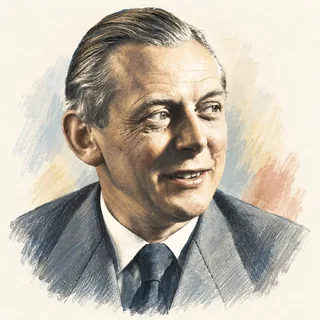
Ružička grew up in Vukovar and Osijek and studied chemistry at Karlsruhe, where he worked with Hermann Staudinger. He followed Staudinger to Zurich in 1912 and later established an independent research programme. Collaborations with perfume manufacturers helped support investigations of natural odour compounds. During 1924–1926 his team established that muscone and civetone contained unusually large carbon rings, challenging assumptions about which rings could exist. His broader work clarified structures among higher terpenes and related natural compounds. After a professorship at Utrecht from 1926, he returned to ETH Zurich in 1929. Collaboration with Ciba supported steroid-hormone research, including routes to androsterone and, in 1935, testosterone; Butenandt’s team independently reached the latter compound. Ružička emphasised the contributions of his co-workers rather than treating the laboratory’s achievements as his alone. His half of the 1939 Chemistry Prize cited polymethylenes and higher terpenes. The Swedish representative presented his medal and diploma in Zurich on 16 January 1940; the Nobel account separately notes later attendance at ceremonies in 1945.
The contribution
Ružička received one half of the Chemistry Prize for polymethylenes and higher terpenes, including work on large carbon rings and natural-product structures. His group also advanced steroid-hormone chemistry.
The idea in plain language
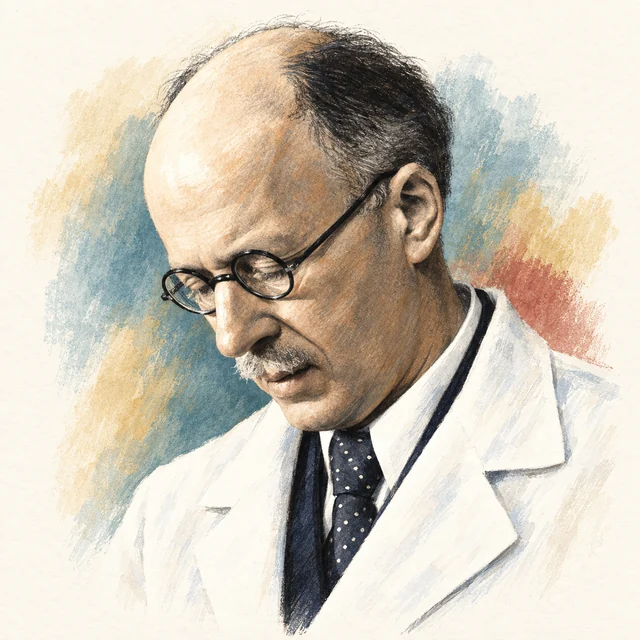
A natural extract may have a powerful biological effect while containing many different substances. Which compound produces the activity, and how are its atoms arranged? Butenandt’s isolation and structural work helped turn sex hormones from poorly characterised activities into identifiable molecules. His work included oestrone in 1929, androsterone in 1931 and progesterone with collaborators in 1934. Parallel research by Doisy and others also mattered.
Read the full award story ↗