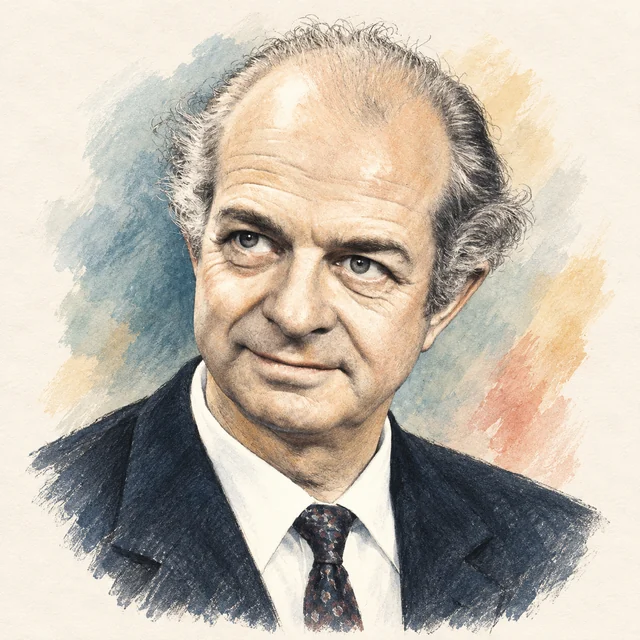
A life in context
The person behind the prize
Pauling graduated from Oregon State College in 1922 and earned his Caltech doctorate in 1925. He joined its academic staff in 1927 and received the Chemistry Prize in 1954 for chemical bonding, a separate recognition. After the Second World War he campaigned against nuclear warfare and testing, taking part in Einstein’s Emergency Committee of Atomic Scientists. With Ava Helen Pauling and fellow scientists he helped organise a petition submitted to the United Nations in 1958; he also published No More War! that year. His warnings about fallout and advocacy of international agreements encountered political opposition. The Peace Prize reserved in 1962 was announced on 10 October 1963 and presented that December. It remains the 1962 award. The treaty was a diplomatic and collective achievement, rather than his work alone.
The contribution
Pauling campaigned against the East–West nuclear arms race and nuclear testing. He received the full 1962 Peace Prize, announced and presented in 1963.
The idea in plain language
Nuclear weapons and testing posed dangers that crossed borders. During the Cold War, explaining fallout risks and arguing for restraint required scientific communication, public engagement and diplomacy.
Read the full award story ↗

