A life in context
The person behind the prize
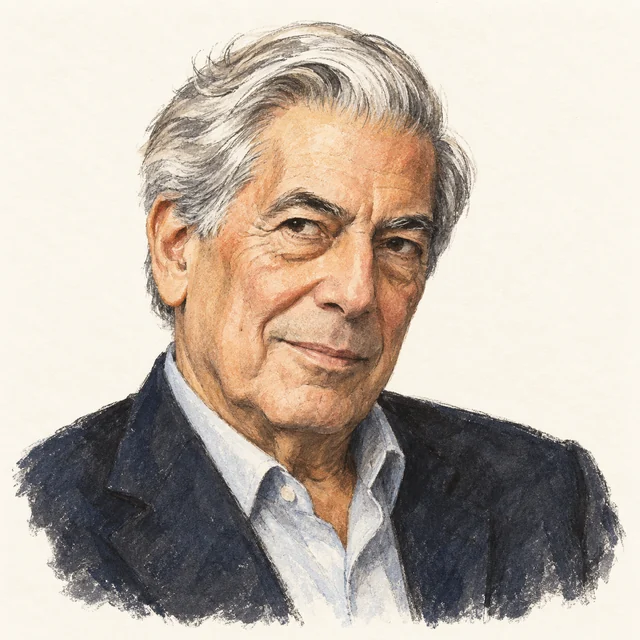
Vargas Llosa spent his childhood in Bolivia and Peru and later attended a military school in Lima. He studied literature and law, worked as a journalist and moved between Latin America and Europe. The Time of the Hero, first published in Spanish in 1963, brought international recognition. His career ranged across novels, essays and theatre, and included a run for Peru’s presidency in 1990.
The contribution
His novels examine how authority enters institutions, families and private lives, and how individuals resist or become caught within it. Works such as Conversation in the Cathedral and The Feast of the Goat use multiple viewpoints and interwoven times to make power felt through experience. The prize recognised a literary body of work, not an endorsement of all his political positions.
The idea in plain language
Power is not only a ruler speaking from a balcony. It can be a school’s discipline, a family’s expectations, a rumour or a fear that shapes what someone dares to say. Vargas Llosa’s novels explore these connections through people caught in social and political structures. Resistance matters, but so do compromise, illusion and defeat.
Read the full award story ↗

