A life in context
The person behind the prize
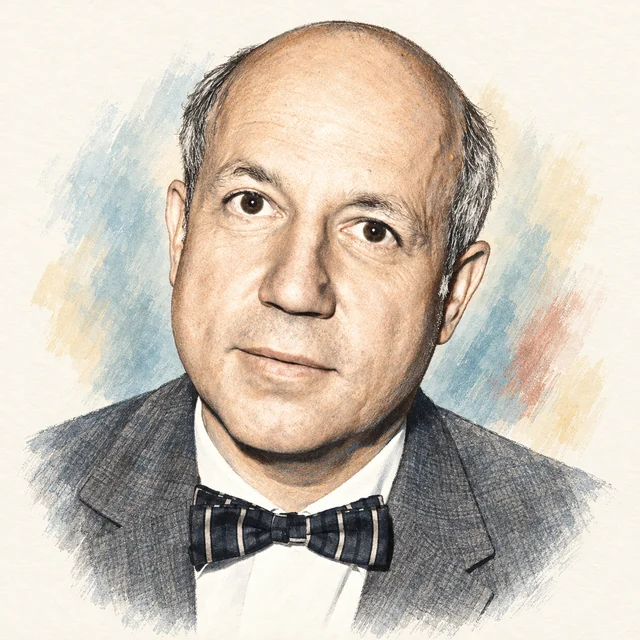
Calvin received his chemistry degree at the Michigan College of Mining and Technology in 1931 and Minnesota doctorate in 1935. Research with Polanyi in Manchester preceded his arrival at Berkeley in 1937, where he became professor in 1947. He directed the bio-organic research group from 1946; it became the Laboratory of Chemical Biodynamics in 1960. Carbon-14 availability after the war supported new tracer methods. Calvin, Benson, Bassham and collaborators followed carbon through algal photosynthesis using timed samples, chromatography and radioactive detection. Their work identified carbon-fixation products and the regeneration of the carbon dioxide acceptor; a 1954 paper credited six authors. The 1961 prize recognised his research on plant carbon assimilation. Later energy projects and autobiographical writing were subsequent history, rather than evidence that every aspect of photosynthesis had been solved.
The contribution
Calvin’s research programme traced carbon dioxide assimilation and the regeneration cycle, with Benson, Bassham and other collaborators. He received the full Chemistry Prize.
The idea in plain language
Photosynthesis had long been known, but the sequence of reactions incorporating carbon dioxide was difficult to follow. Researchers needed to identify intermediates and understand how the system could keep accepting new carbon.
Read the full award story ↗

