c.curionodeThe Nobel Archive

1961 · Chemistry

Tracing carbon through photosynthesis

Tracer experiments revealed how carbon enters organic compounds and how its acceptor is regenerated.

Carbon assimilationIsotope tracingAcceptor regeneration
1961Chemistry

Visual guide

The prize, pictured

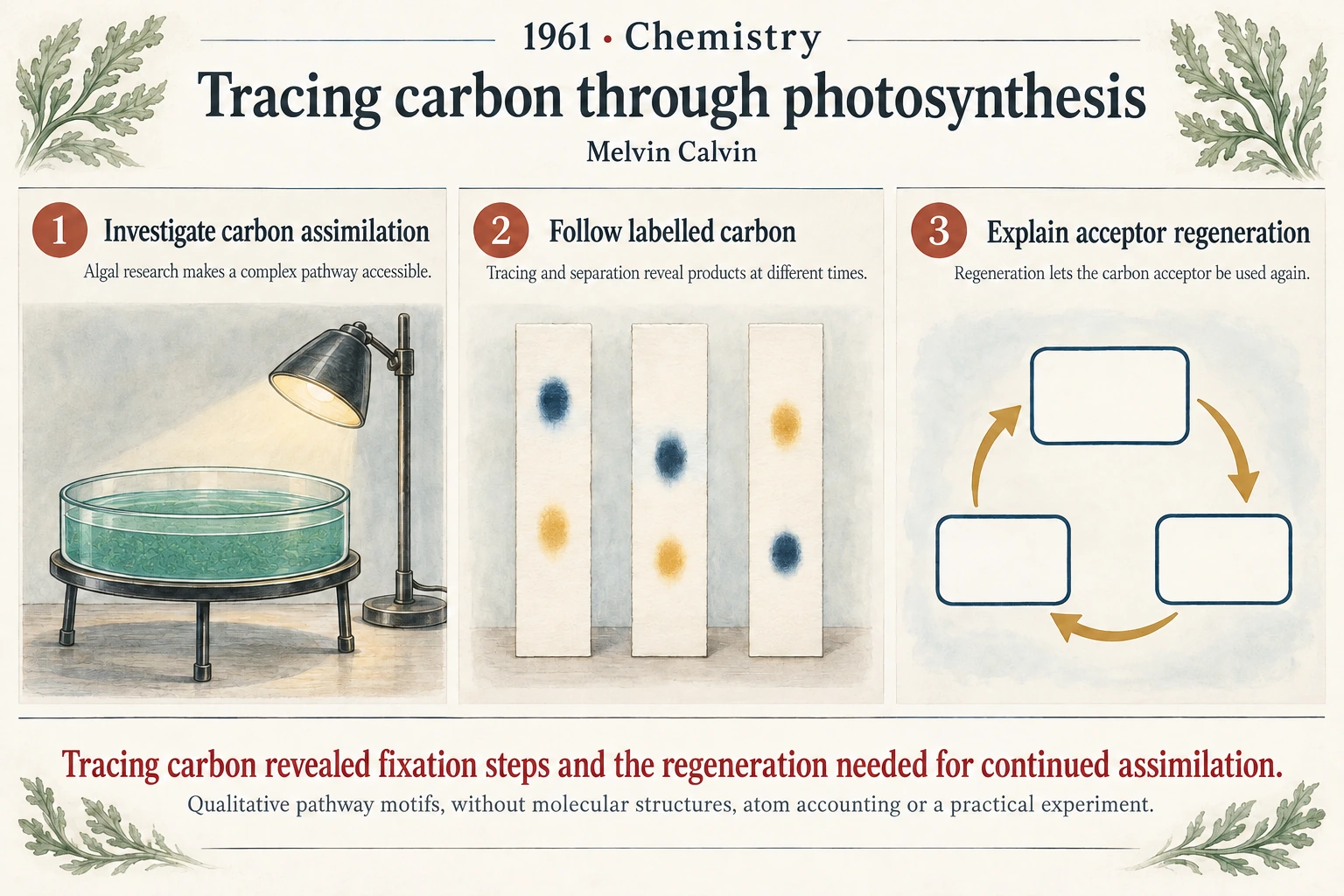
Infographic explaining Tracing carbon through photosynthesis
Original AI-generated infographic. A conceptual overview; the explanations and sources below provide context.
Read the poster text

Tracing carbon revealed fixation steps and the regeneration needed for continued assimilation.

  1. Investigate carbon assimilation

    Algal research makes a complex pathway accessible.

  2. Follow labelled carbon

    Tracing and separation reveal products at different times.

  3. Explain acceptor regeneration

    Regeneration lets the carbon acceptor be used again.

Qualitative pathway motifs, without molecular structures, atom accounting or a practical experiment.

01 · The discovery

The idea, in everyday language

Photosynthesis had long been known, but the sequence of reactions incorporating carbon dioxide was difficult to follow. Researchers needed to identify intermediates and understand how the system could keep accepting new carbon.

Calvin’s group, including Benson, Bassham and other collaborators, used carbon-14 tracing and chromatographic separation in algal research. Comparing products at different times identified carbon-fixation steps and a regeneration cycle. Their 1954 paper on the carbon dioxide acceptor credited Bassham, Benson, Kay, Harris, Wilson and Calvin.

Why it matters

The research connected carbon assimilation with known metabolism and explained how the carbon acceptor could be used repeatedly. Light reactions provide energy and reducing power for these biochemical reactions, rather than light acting directly at every carbon-fixation step. Calvin received the full prize, while the achievement depended on a wider team.
02 · The people

Who brought the idea to life?

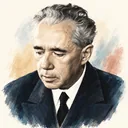
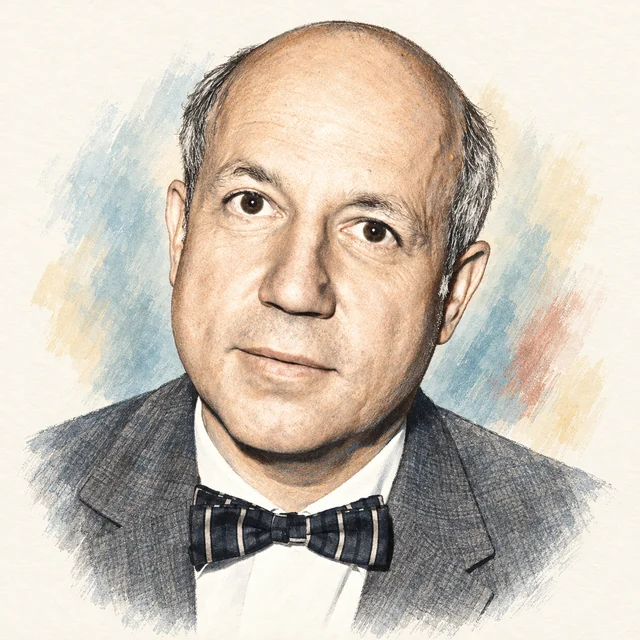
Illustrated portrait of Melvin Calvin

Melvin Calvin

Prize share · 1

Calvin’s research programme traced carbon dioxide assimilation and the regeneration cycle, with Benson, Bassham and other collaborators. He received the full Chemistry Prize.

Read the biography ↗

03 · Years in the making

The path here

  1. 1931

    Calvin completes his first chemistry degree.

  2. 1935

    He receives his Minnesota doctorate.

  3. 1937

    He begins Berkeley work.

  4. 1946

    He directs the bio-organic research group.

  5. 1954

    The team reports cyclic regeneration of the carbon dioxide acceptor.

  6. 1960

    The group becomes the Laboratory of Chemical Biodynamics.

  7. 1961

    Calvin receives the Chemistry Prize.

04 · Read further

From the original sources

Original explanations by Curionode, based on the official records below. Biographical details and affiliations refer to the award year.

  1. Official award summary nobelprize.org
  2. Award ceremony speech nobelprize.org
  3. Later carbon fixation research (1966) pmc.ncbi.nlm.nih.gov
  4. Carbon acceptor regeneration publication metadata pubs.acs.org
  5. Berkeley Lab photosynthesis team history biosciences.lbl.gov
  6. Official biography: Melvin Calvin nobelprize.org

More in Chemistry

Browse this subject ↗