A life in context
The person behind the prize
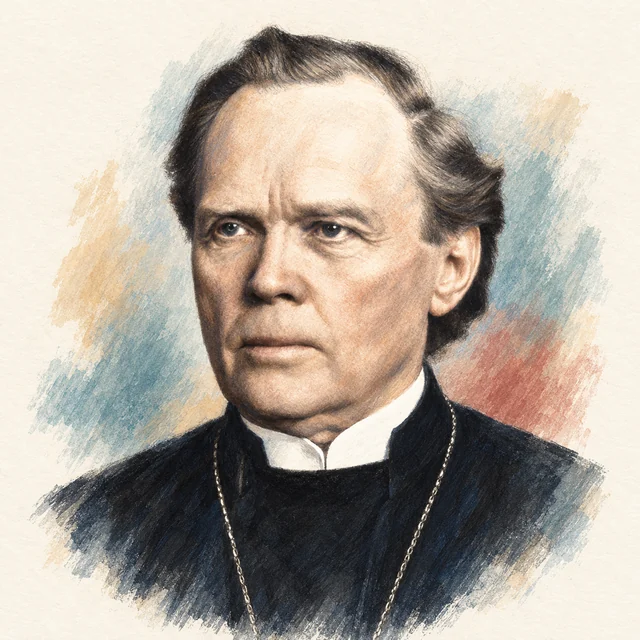
Söderblom studied at Uppsala, was ordained in 1893 and served the Swedish congregation in Paris from 1894 to 1901 while pursuing a theology doctorate. He then taught at Uppsala, with an additional Leipzig appointment before becoming archbishop of Uppsala in 1914. Scholarship in the history of religions accompanied his church leadership. His wife Anna Forsell collaborated in preparing many publications. The First World War exposed how strongly churches could align themselves with national conflict. Söderblom sought practical cooperation across those divisions. The 1925 Stockholm Conference on Life and Work brought Anglican, Protestant and Orthodox representatives together; the Roman Catholic Church was not represented. He received the full 1930 Peace Prize for promoting Christian cooperation in the service of peace. The movement was one of the streams leading to the World Council of Churches in 1948, after his death in 1931. He therefore did not personally found that later organization.
The contribution
Söderblom received the full Peace Prize for promoting Christian unity and a disposition toward international peace. His principal achievement was organized cooperation across church and national divisions, especially through the 1925 Stockholm conference.
The idea in plain language
The First World War revealed how churches could become aligned with opposing national causes. Söderblom sought cooperation that would challenge those divisions and connect religious commitment with practical work for peace. As archbishop of Uppsala and a scholar with international contacts, he helped make a large common meeting possible.
Read the full award story ↗

