A life in context
The person behind the prize
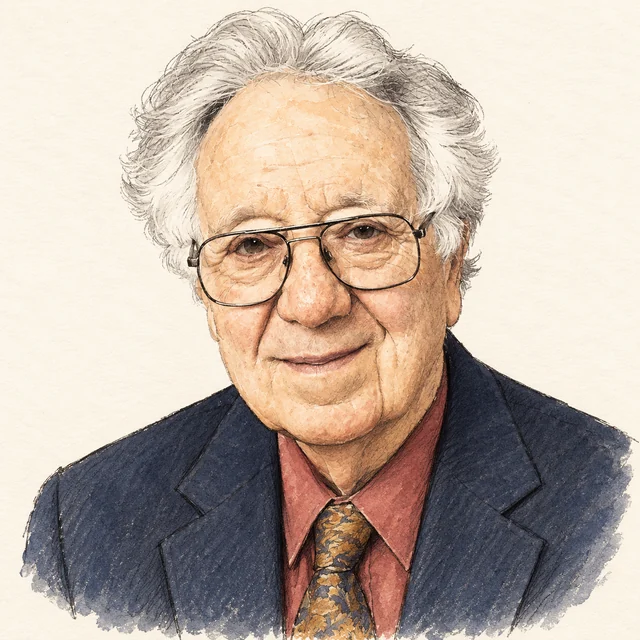
Smithies earned his doctorate in biochemistry at Oxford in 1951 and developed a career joining experimental technique with questions about inherited disease. At the time of the prize he worked at the University of North Carolina at Chapel Hill. An interest in correcting genes involved in blood disorders led him toward precise changes in mammalian DNA, rather than simply adding genetic material at an uncontrolled location.
The contribution
Working independently of Capecchi, Smithies helped show that homologous recombination could target specific genes in mammalian cells. His work supported the broader possibility of modifying genes even when they were not actively being used in the cell under study. Combined with embryonic stem cells, gene targeting became a way to create inherited mouse models, including models of blood disorders, cystic fibrosis and cardiovascular disease.
The idea in plain language
A gene’s sequence does not by itself tell us everything about its job. Researchers can learn more by changing a chosen gene and comparing the result with an appropriate control. Capecchi and Smithies developed ways to use homologous recombination: introduced DNA with matching regions can exchange sequence with a chosen location in a mammalian chromosome. This is targeted modification rather than adding DNA at an arbitrary position.
Read the full award story ↗