A life in context
The person behind the prize
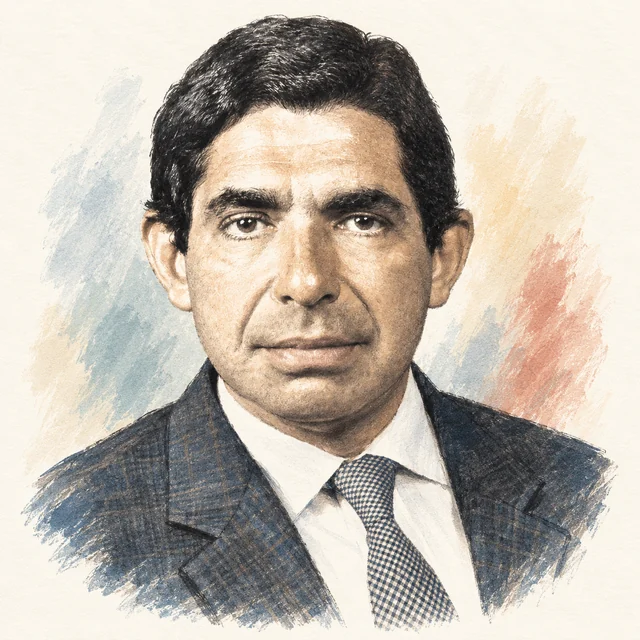
Arias grew up in Heredia and studied law and economics in Costa Rica, later earning a political-science doctorate at Essex. He taught at the University of Costa Rica from 1969 to 1972 and served as minister of national planning and economic policy from 1972 to 1977. Elected president in 1986, he promoted a regional response to Central America’s wars. The five-country Esquipulas II agreement was signed in August 1987. He later established a foundation and served another presidential term from 2006 to 2010.
The contribution
Arias promoted and negotiated a regional peace plan that linked ceasefires with democratic participation, reconciliation and verification. Presidents of Costa Rica, El Salvador, Guatemala, Honduras and Nicaragua signed Esquipulas II in Guatemala City on 7 August 1987. The process built on earlier regional diplomacy and required cooperation beyond one leader. He received the full Peace Prize for his work toward peace; signing the accord did not end every war or guarantee compliance.
The idea in plain language
Central America’s wars involved domestic conflicts, regional tensions and outside support. Arias promoted a regional peace plan that linked stopping hostilities with reconciliation, democratic participation and limits on aid to irregular forces. Earlier diplomacy, including the Contadora process, helped establish the context.
Read the full award story ↗

