A life in context
The person behind the prize
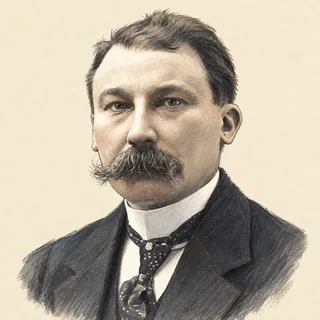
Paul Sabatier studied at the École Normale Supérieure and worked with Marcellin Berthelot before earning his doctorate in 1880. He developed his academic career in Toulouse, becoming professor of chemistry in 1884 and dean in 1905. His early interests included thermochemistry, metal compounds and physical chemistry. With Jean Baptiste Senderens, he investigated reactions at finely divided metal surfaces; their work in the 1890s helped establish practical catalytic methods, including hydrogenation. Senderens contributed experimental skill and catalyst preparation to their shared programme, conducted across laboratories in Toulouse’s state faculty and Catholic Institute. Sabatier studied how catalyst choice, preparation and conditions affected reactions, including selective action and the effects of substances that poisoned catalysts. His half of the 1912 Chemistry Prize recognised hydrogenation in the presence of finely divided metals. It was separate from Grignard’s organomagnesium chemistry, although both enlarged the methods of organic synthesis. His book on catalysis appeared in 1913, after the award. Sabatier continued teaching after his retirement in 1930 and died in Toulouse in 1941.
The contribution
Sabatier received half the Chemistry Prize for methods of adding hydrogen to organic compounds using finely divided metals as catalysts. The metal surface helps the transformation; hydrogen is incorporated into the product while the catalyst supports repeated reaction cycles.
The idea in plain language
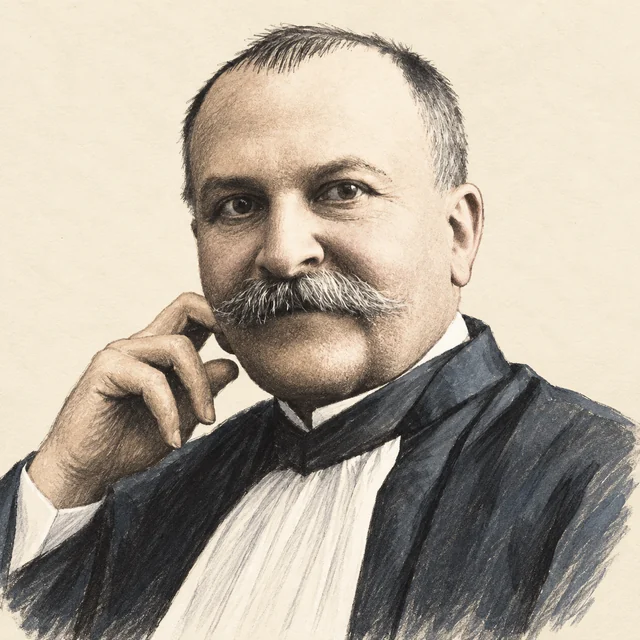
Organic synthesis requires ways both to build a molecular framework and to change the bonds within it. Grignard’s reagents made new carbon–carbon connections accessible across many useful transformations. Their reactive carbon-containing groups participate in the chemical change. Barbier’s earlier research helped set the problem that Grignard developed into a widely used method.
Read the full award story ↗