A life in context
The person behind the prize
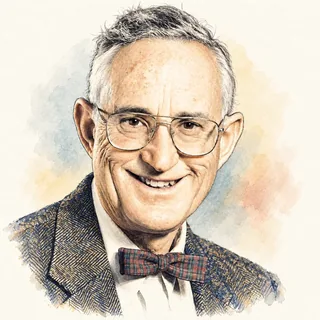
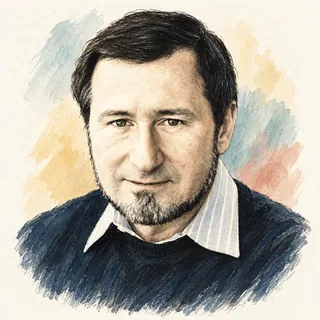
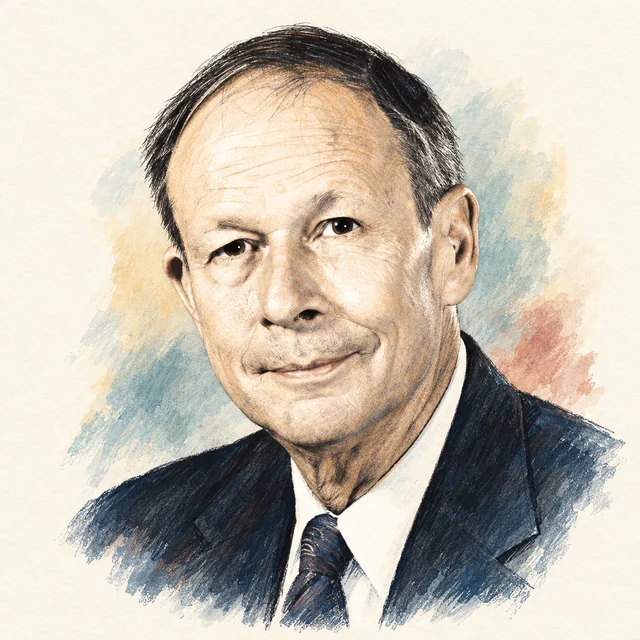
Richardson grew up in Virginia and studied physics at Virginia Tech before graduate work with Horst Meyer at Duke. Building low-temperature equipment helped shape his experimental craft. At Cornell he worked with Lee and their students on helium-3, where temperatures far below those of ordinary liquid helium made new quantum phenomena accessible. His career combined laboratory research, mentoring and scientific leadership.
The contribution
Richardson helped lead the Cornell investigation that identified the 1972 phase transitions in liquid helium-3. The team followed up an unexpected measurement rather than dismissing it as an instrument effect, and corrected an initial solid-state interpretation. Their discovery made helium-3 a laboratory for studying paired fermions and different superfluid phases. It concerned a neutral liquid, not an electrical superconductor.
The idea in plain language
Helium-4 was already known to become superfluid, but helium-3 presented a harder problem. Its atoms are fermions, governed by different quantum statistics from helium-4. Theory suggested that pairing could allow a collective superfluid state, yet reaching and identifying that state required exceptionally low temperatures and sensitive measurements.
Read the full award story ↗