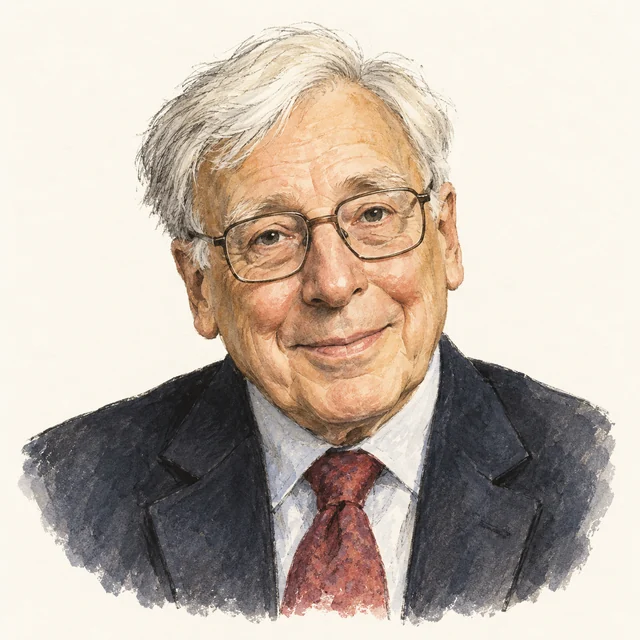
A life in context
The person behind the prize
Edwards studied the biology of reproduction and received his doctorate at Edinburgh in 1955. After research appointments elsewhere, he moved to Cambridge in 1963. He investigated how eggs mature and how fertilisation and early development could occur outside the body. His long collaboration with gynaecologist Patrick Steptoe and nurse and embryology researcher Jean Purdy connected laboratory work with clinical care.
The contribution
Edwards helped develop in vitro fertilisation, or IVF. After many years of research, the team’s work led to Louise Brown’s birth in 1978 and the establishment of Bourn Hall clinic in 1980. Edwards was the sole 2010 recipient; Steptoe and Purdy had already died. Their essential contributions belong in the history of the discovery even though they were not co-laureates.
The idea in plain language
In ordinary reproduction, sperm and egg usually meet in a fallopian tube before the early embryo reaches the uterus. A blockage can prevent that meeting. Edwards asked whether human eggs could mature and be fertilised outside the body, with early development supported in the laboratory. The challenge was understanding the biology well enough for an embryo to continue developing after transfer.
Read the full award story ↗

