A life in context
The person behind the prize
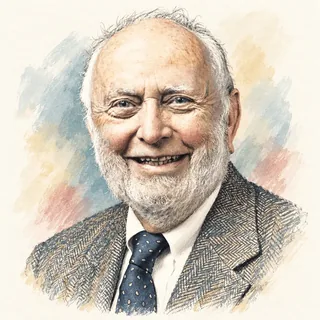
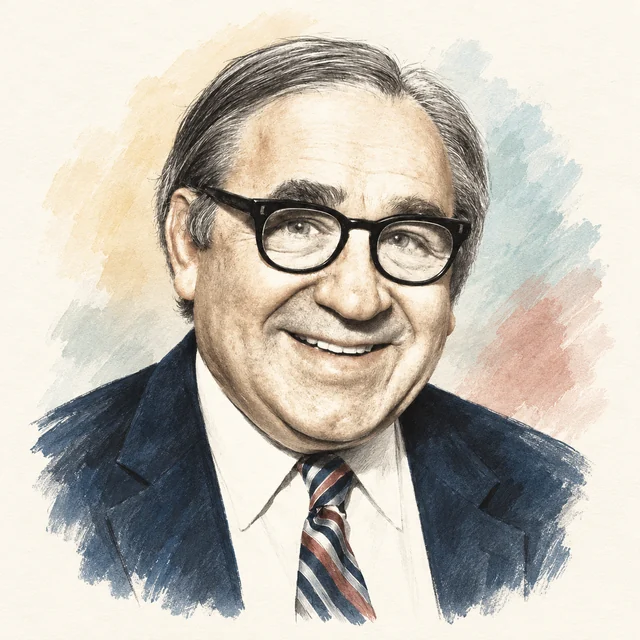
Fogel grew up in New York in an immigrant family that valued learning. His interests shifted from the physical sciences to economics and history at Cornell; further training at Columbia and Johns Hopkins followed. Teaching at Rochester, Chicago and Harvard supported unusually data-intensive historical projects. He returned to Chicago in 1981, developing research that linked economic history with population, health and long-run living conditions.
The contribution
Fogel combined historical records with explicit economic models and counterfactual comparisons, asking what might have happened without a particular institution or technology. His railway study challenged claims that railroads were indispensable to American growth. Work on slavery provoked major controversy, while demographic research investigated changing health and mortality. Quantitative estimates depend on assumptions and sources; economic profitability never establishes the justice or wellbeing of people subjected to an institution.
The idea in plain language
A persuasive story about the past can still hide assumptions. Fogel assembled historical data and used economic models to test claims about major developments. His study of American railroads compared actual transport with a carefully constructed alternative without railways, asking how much difference the technology made. A counterfactual is a modelled comparison, not another history that can be directly observed.
Read the full award story ↗