A life in context
The person behind the prize
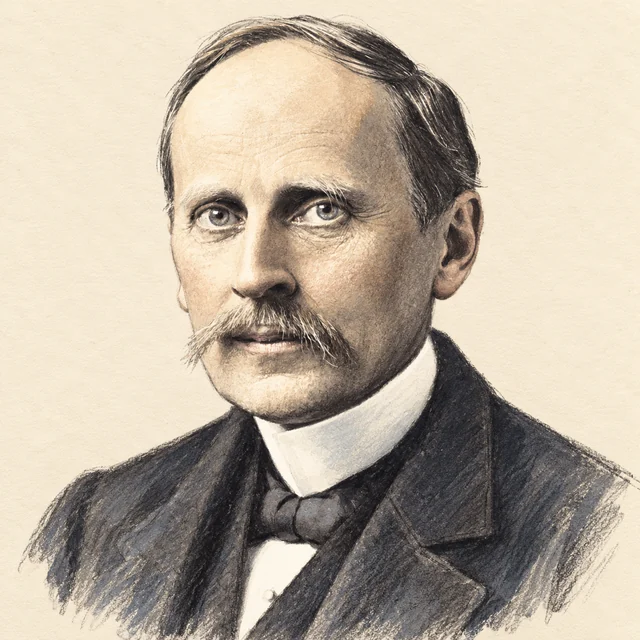
Romain Rolland was born in Clamecy and studied at the École normale supérieure in Paris. His training in history and his research on music and theatre informed a career that combined scholarship, drama, biography and fiction. Jean-Christophe, published from 1904 to 1912, follows a fictional German musician through artistic development, personal conflict and encounters with society. Its protagonist is not a literal autobiography of Rolland. The 1915 Literature Prize recognised the ideals, sympathy and commitment to truth in his literary production; it was not a Peace Prize and was not awarded solely for one anti-war essay. The prize was reserved and announced on 9 November 1916. During the First World War Rolland lived in Switzerland, wrote against the pressures of nationalist hatred and worked with the Geneva prisoners-of-war agency. The official Nobel award record nevertheless lists France as his residence; the two descriptions serve different purposes. His September 1914 essay Au-dessus de la mêlée became a prominent expression of his wartime position. He later wrote the novel cycle L’Âme enchantée and developed political sympathies towards the Soviet Union. These later choices belong to the biography and are not certified by the Nobel award. He settled at Vézelay in 1938 and died in 1944. The Nobel biographical page states that he did not submit an autobiography; the archival catalogue’s biographical notice supplies context, without implying that the underlying manuscripts have been inspected.
The contribution
Rolland received the full Literature Prize for the idealism, human sympathy and love of truth expressed in his literary work. Jean-Christophe was a major part of that achievement, but the citation concerns his literary production rather than an exclusively named novel or a separate peace award.
The idea in plain language
Jean-Christophe follows the development of a fictional German musician, linking artistic ambition with personal relationships and encounters with society. Published from 1904 to 1912, the sequence uses a long individual life to explore tensions between a person’s inner convictions and the world around him. Its musician is a literary character, not a documentary subject or a literal self-portrait of Rolland.
Read the full award story ↗

