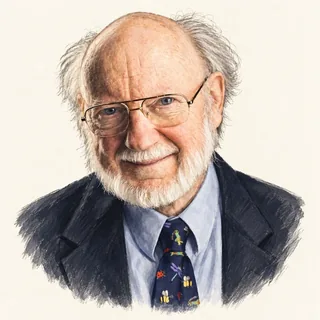
A life in context
The person behind the prize
Ōmura studied in Japan and earned doctorates in pharmaceutical science in 1968 and chemistry in 1970. Much of his career was based at Kitasato, where he investigated substances made by microorganisms. He developed methods to isolate and grow soil bacteria and to select promising cultures from a large collection. This patient search for unusual microbial chemistry supplied material that other researchers could test for biological activity.
The contribution
He isolated and cultured strains of Streptomyces, including the source of avermectin. His collaboration with Campbell connected microbial discovery to antiparasitic testing and drug development. The eventual medicines were purified and developed compounds, not untreated bacteria or unprocessed soil extracts.
The idea in plain language
The prize recognised discoveries against two kinds of parasitic infection. Ōmura isolated soil bacteria and developed ways to grow promising strains. Campbell investigated their biological activity against parasites. This collaboration led to avermectin, a substance made by a Streptomyces bacterium, and to the development of its derivative ivermectin. These medicines became major tools against diseases including river blindness and lymphatic filariasis, which involve parasitic worms.
Read the full award story ↗