01 · The discovery
The idea, in everyday language
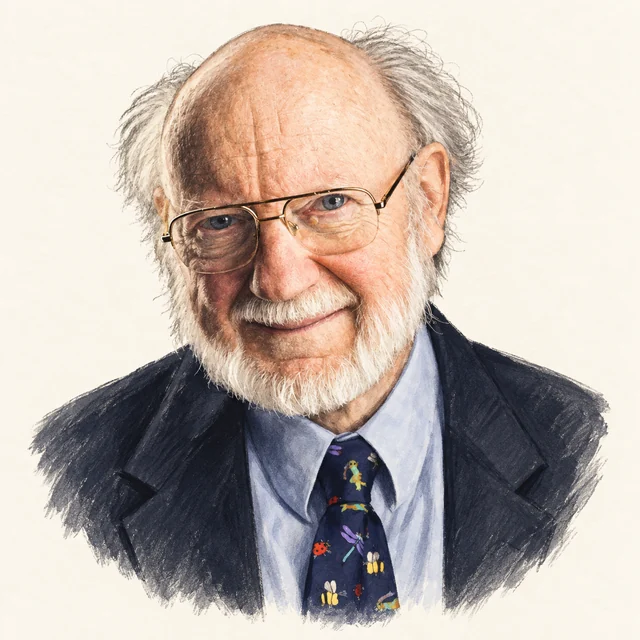
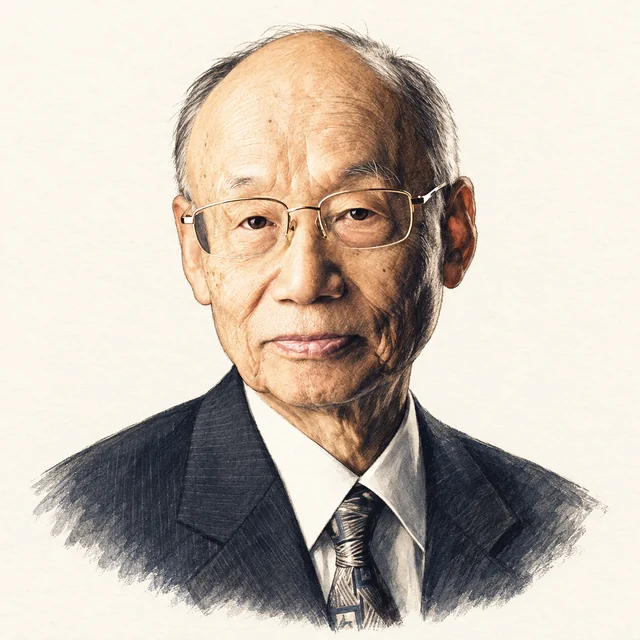
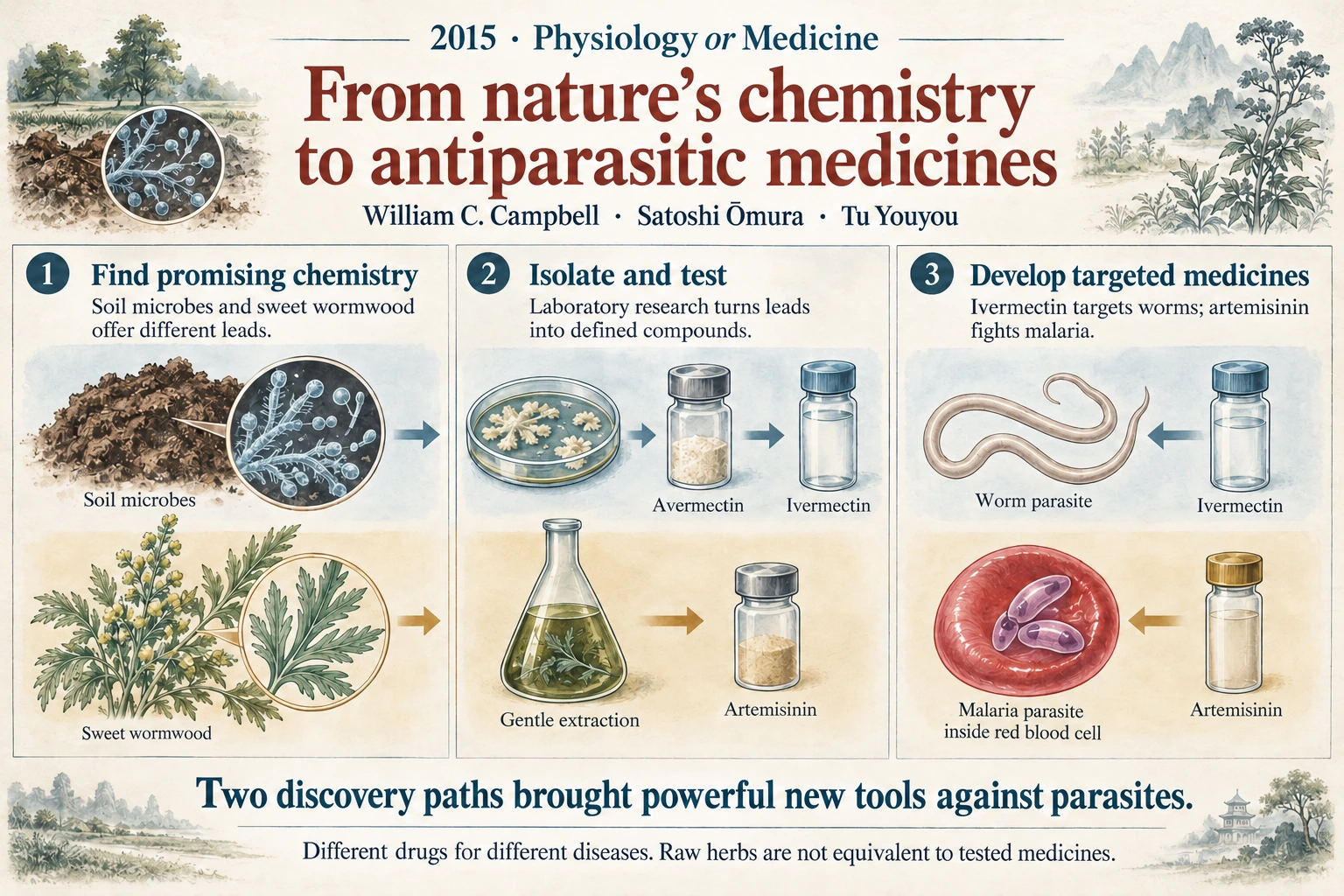
The prize recognised discoveries against two kinds of parasitic infection. Ōmura isolated soil bacteria and developed ways to grow promising strains. Campbell investigated their biological activity against parasites. This collaboration led to avermectin, a substance made by a Streptomyces bacterium, and to the development of its derivative ivermectin. These medicines became major tools against diseases including river blindness and lymphatic filariasis, which involve parasitic worms.
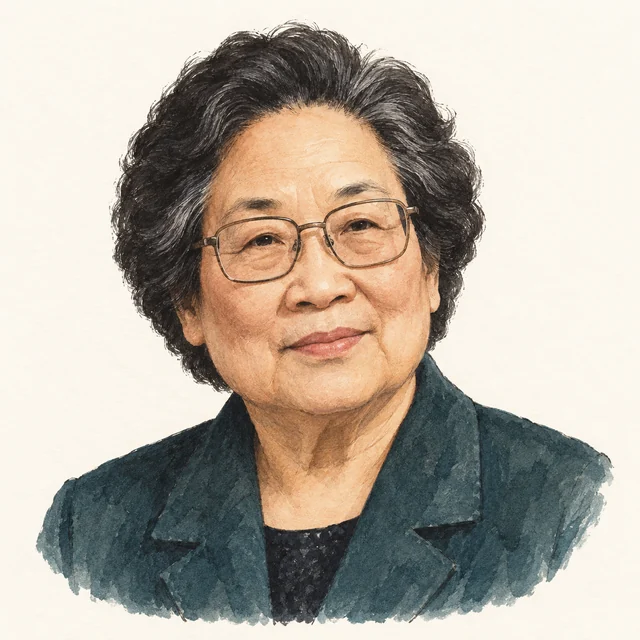
Tu worked on a different problem: malaria, caused by single-celled Plasmodium parasites. In a large search for antimalarial substances, she returned to historical descriptions of sweet wormwood and reconsidered how its active material was extracted. Gentler extraction helped produce a promising result, followed by purification and testing of artemisinin. The discovery opened another drug class, later used in artemisinin-based combination treatments. The two branches share a strategy—testing natural chemistry—but have different organisms, compounds and targets.
Why it matters
The discoveries transformed the possibilities for controlling parasitic disease, especially for communities carrying heavy disease burdens. Their practical impact also depended on clinical research, manufacturing, distribution and public-health programmes. Campbell and Ōmura each received a quarter of the prize; Tu received half.