A life in context
The person behind the prize
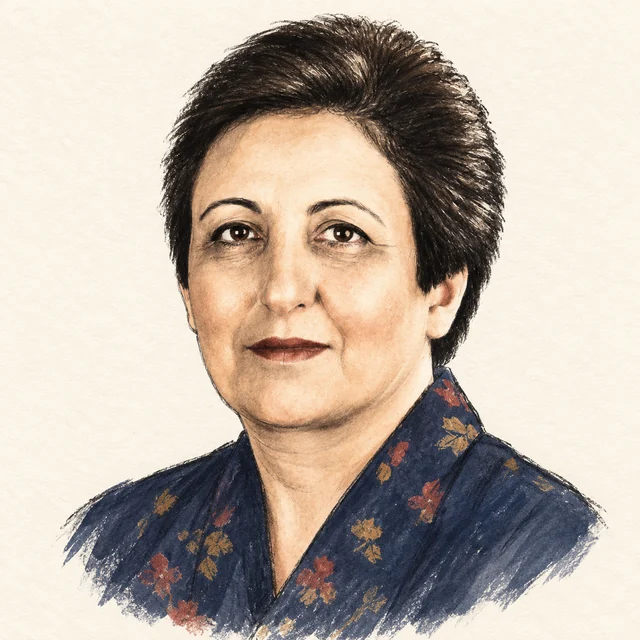
Ebadi studied law at Tehran University and began serving as a judge in 1969. After the 1979 revolution, she and other female judges were removed from judicial posts and assigned other duties. She eventually obtained a licence to practise law in 1992. Her legal work, teaching and writing focused on people whose rights were vulnerable, particularly women, children and families seeking accountability for abuses.
The contribution
Ebadi combined representation in individual cases with public education and proposals for legal change. She helped establish organisations supporting children’s rights and human-rights defence. The 2003 prize recognised her sustained nonviolent work for democracy and human rights, including dialogue across religious and cultural divisions. The award honoured her advocacy; it did not mean that the problems she confronted had been resolved.
The idea in plain language
Rights written into principles matter only when people can invoke them in real situations. Ebadi worked with women, children and families whose experiences exposed gaps between formal promises and actual protection. Individual cases could make discrimination or abuse visible, while legal knowledge helped people describe and challenge what had happened.
Read the full award story ↗

