A life in context
The person behind the prize
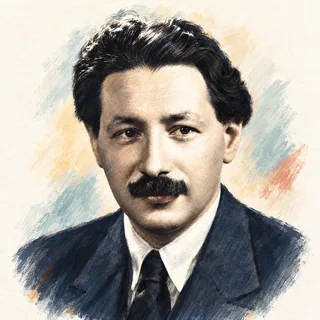
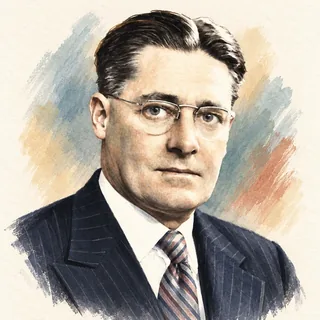
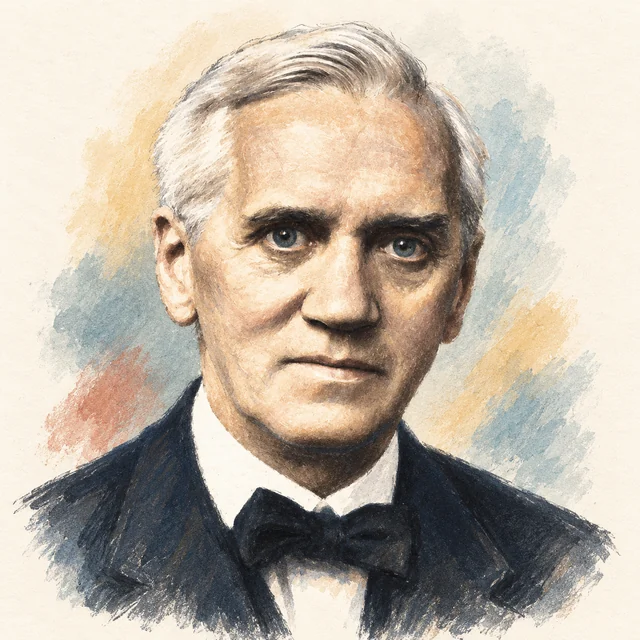
Fleming grew up in Scotland and worked in a London shipping office before entering St Mary’s Medical School. He qualified in 1906, received his London MB and BS in 1908 and began research under Almroth Wright. Service in the Army Medical Corps during the First World War formed part of a career concerned with infection and substances that might check bacteria without damaging tissues. In 1928, at St Mary’s, he investigated an unexpected mould contaminant and the inhibition of nearby bacterial growth. He named the active substance penicillin and explored its properties. That observation did not by itself provide a stable medicine in sufficient quantity. The later Oxford work of Chain, Florey and their colleagues, followed by wider production efforts, was essential to its therapeutic development. Fleming became a professor in 1928 and was knighted in 1944. The 1945 award gave him one third, equal to Chain and Florey; his emeritus appointment in 1948 came later.
The contribution
Fleming discovered penicillin through his investigation of mould-associated bacterial inhibition in 1928. He shared the Medicine Prize equally with Chain and Florey, whose later work helped establish its therapeutic use.
The idea in plain language
In 1928 Fleming investigated a mould contaminant associated with inhibited bacterial growth and named the active substance penicillin. The observation suggested an antibacterial resource, but the substance was unstable and difficult to prepare. Seeing an effect near a mould was different from establishing a dependable medicine.
Read the full award story ↗