A life in context
The person behind the prize
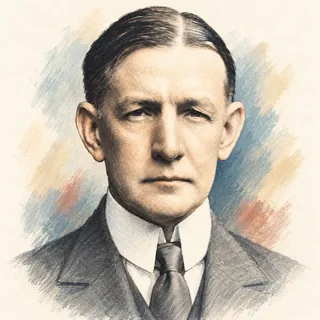
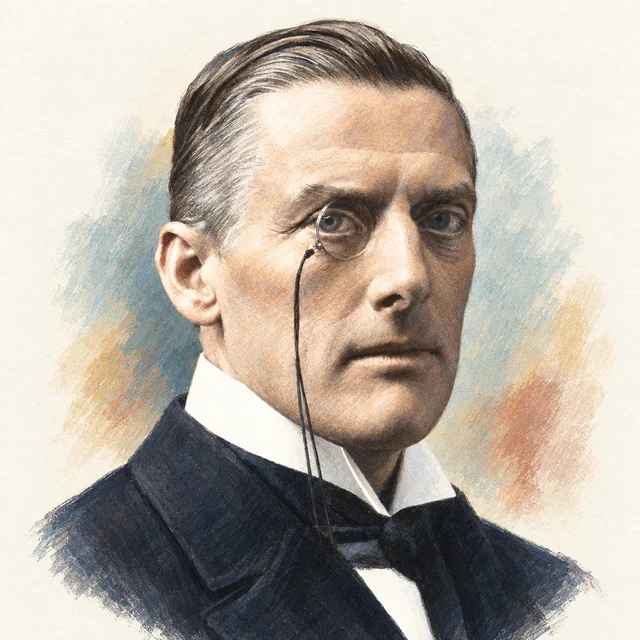
Austen Chamberlain grew up in a prominent British political family and studied at Cambridge before spending time in Paris and Berlin. He entered the House of Commons in 1892 and held several offices, including chancellor of the Exchequer and secretary of state for India. Foreign secretary from 1924 to 1929, he approached diplomacy as a statesman responsible for British interests rather than as a campaigner outside government. In 1925 he helped negotiate the Locarno agreements with representatives of Germany, France and other European states. British participation was important to the guarantees intended to reduce insecurity on Germany’s western borders. Chamberlain received half the 1925 Peace Prize, presented in 1926, while Charles Dawes received the other half for a different contribution, the reparations plan. Briand and Stresemann received a separate 1926 prize at the same ceremony. Chamberlain remained active in Parliament after leaving the foreign office and died in 1937. He was the half-brother of Neville Chamberlain, but their careers and diplomatic episodes should not be merged.
The contribution
Chamberlain received half the Peace Prize for his role in the Locarno Treaty, helping negotiate British participation in security guarantees and Franco-German reconciliation.
The idea in plain language
After the First World War, reparations and insecurity reinforced distrust between Germany and the Allies. An expert committee chaired by Dawes proposed a plan in April 1924 that adjusted annual German payments, supported financial stabilisation and relied on foreign lending. It helped make withdrawal from the Ruhr possible, without cancelling every claim or finally settling the total amount owed.
Read the full award story ↗