A life in context
The person behind the prize
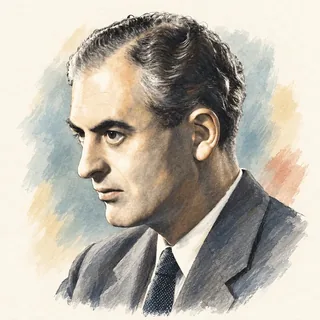
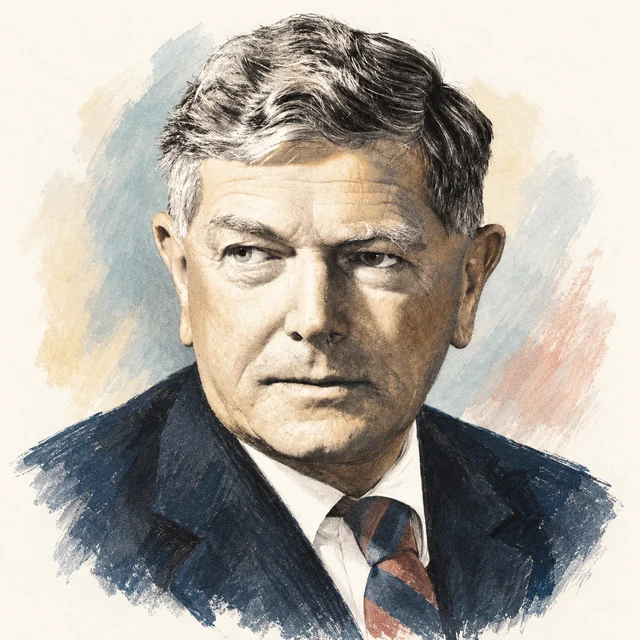
Burnet trained in medicine at Melbourne, completing his first medical degree in 1922. Frank Fenner’s Academy memoir dates his MD to 1924, correcting the Nobel biography’s 1923 date, and records his London doctorate in 1928. Research at the Walter and Eliza Hall Institute and periods in London built a career in bacteriology and virology. He became director of the Melbourne institute in 1944. In The Production of Antibodies, published with Fenner in 1949, he proposed that exposure during immune development could lead to specific tolerance of foreign material. Ray Owen’s observations on cattle twins helped motivate this reasoning. Medawar and collaborators later provided experimental evidence. Burnet’s 1957 clonal-selection theory was another important contribution, distinct from the acquired-tolerance discovery recognised in 1960. He shared the prize equally with Medawar; later writing and retirement were subsequent history.
The contribution
Burnet developed the theoretical prediction of acquired immunological tolerance, with Fenner and earlier evidence from Owen. He received half of the Medicine Prize.
The idea in plain language
Why does tissue from another individual often fail to survive as a graft? Medawar’s earlier work identified rejection as an immune response, but the acceptance of grafts between cattle twins suggested that inherited similarity was not the whole explanation.
Read the full award story ↗