A life in context
The person behind the prize
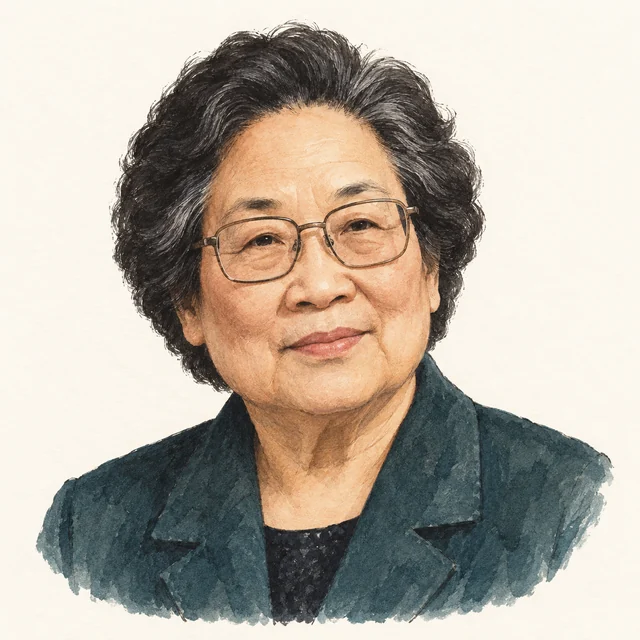
Tu grew up in Ningbo and graduated in pharmacy in Beijing in 1955. Her research at the China Academy of Traditional Chinese Medicine combined study of traditional medical literature with laboratory investigation. During a collaborative search for new antimalarial agents, she revisited clues about sweet wormwood and changed the extraction approach. The result depended on experimental testing and purification, not on accepting an old remedy without examination.
The contribution
She helped establish the antimalarial activity of the substance later named artemisinin. Her work opened a new drug class that became central to malaria treatment. Artemisinin-based medicines are defined, tested compounds; they should not be equated with drinking herbal preparations of uncertain composition.
The idea in plain language
The prize recognised discoveries against two kinds of parasitic infection. Ōmura isolated soil bacteria and developed ways to grow promising strains. Campbell investigated their biological activity against parasites. This collaboration led to avermectin, a substance made by a Streptomyces bacterium, and to the development of its derivative ivermectin. These medicines became major tools against diseases including river blindness and lymphatic filariasis, which involve parasitic worms.
Read the full award story ↗