A life in context
The person behind the prize
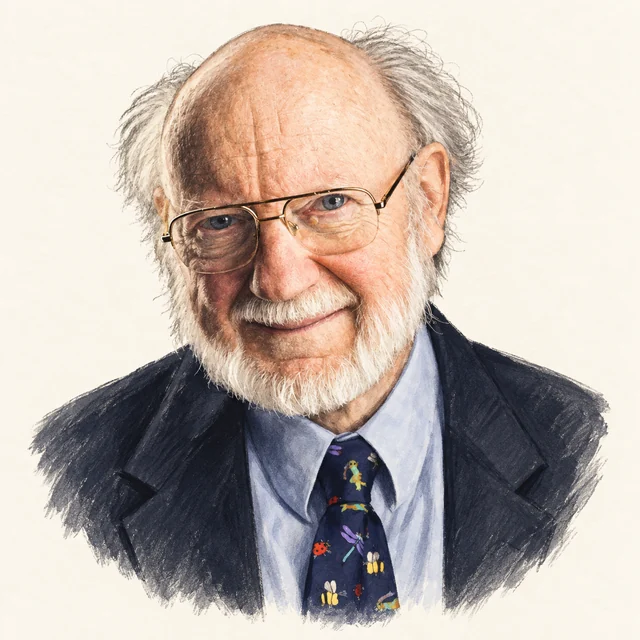
Campbell studied at Trinity College Dublin and earned his doctorate at the University of Wisconsin in 1957. He spent much of his research career at the Merck Institute for Therapeutic Research before his affiliation with Drew University. His expertise concerned parasites and how to test compounds against them. That knowledge helped connect promising microbial cultures from Japan with a route towards a new class of medicines.
The contribution
He investigated cultures supplied by Satoshi Ōmura and helped reveal a powerful antiparasitic activity. Research teams isolated avermectin and developed its derivative ivermectin, which became important against several parasitic infections. The contribution depended on screening, purification, chemical development and testing, rather than a soil sample acting as a medicine by itself.
The idea in plain language
The prize recognised discoveries against two kinds of parasitic infection. Ōmura isolated soil bacteria and developed ways to grow promising strains. Campbell investigated their biological activity against parasites. This collaboration led to avermectin, a substance made by a Streptomyces bacterium, and to the development of its derivative ivermectin. These medicines became major tools against diseases including river blindness and lymphatic filariasis, which involve parasitic worms.
Read the full award story ↗