A life in context
The person behind the prize
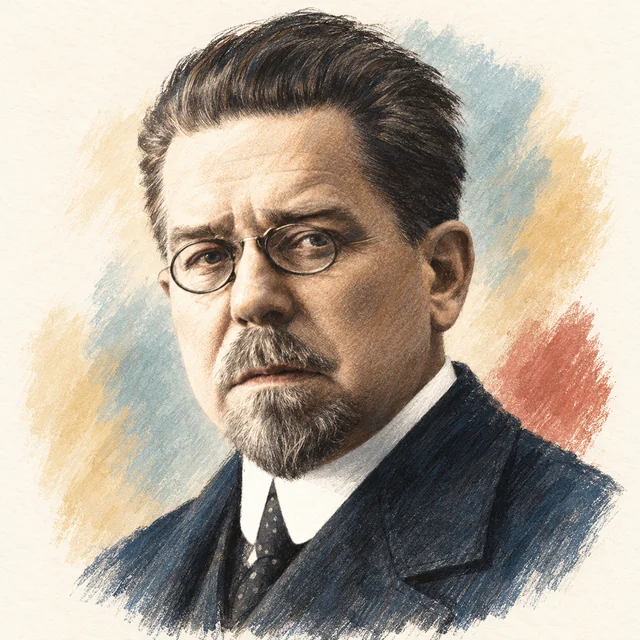
Reymont was born in the village of Kobiele Wielkie and grew up in Tuszyn. His autobiographical account describes an early appetite for reading and a restless youth that included travelling theatre and railway work. These experiences brought him into contact with varied social worlds before writing became his main occupation. A pilgrimage narrative appeared in 1895, followed by novels about theatrical life and industrial society, including The Comedian and The Promised Land. In The Peasants, published in four volumes from 1904 to 1909, he brought the scale of an epic to a village community. The cycle of autumn, winter, spring and summer connects agricultural labour with conflicts over land, family, desire and belonging. The characters remain particular fictional people rather than illustrations of a single moral lesson. His full 1924 Literature Prize specifically recognised this novel. He was unable to attend the planned Nobel festivities, and the Academy’s official account includes a critical essay prepared in place of a presentation speech. He died in Warsaw in 1925. The novel’s artistic treatment of rural life should not be mistaken for a universal factual portrait of Polish villagers.
The contribution
Reymont received the full Literature Prize for The Peasants. Its four seasonal volumes join individual conflicts and the life of a village community into a sustained epic narrative.
The idea in plain language
An epic can find its subject in a rural community rather than the campaigns of kings. The Peasants follows a village in which land, labour, family ties and desire shape people’s choices. Many voices and conflicting interests create a social world larger than any single character.
Read the full award story ↗

