c.curionodeThe Nobel Archive

1926 · Physics

Visible grains test an invisible molecular world

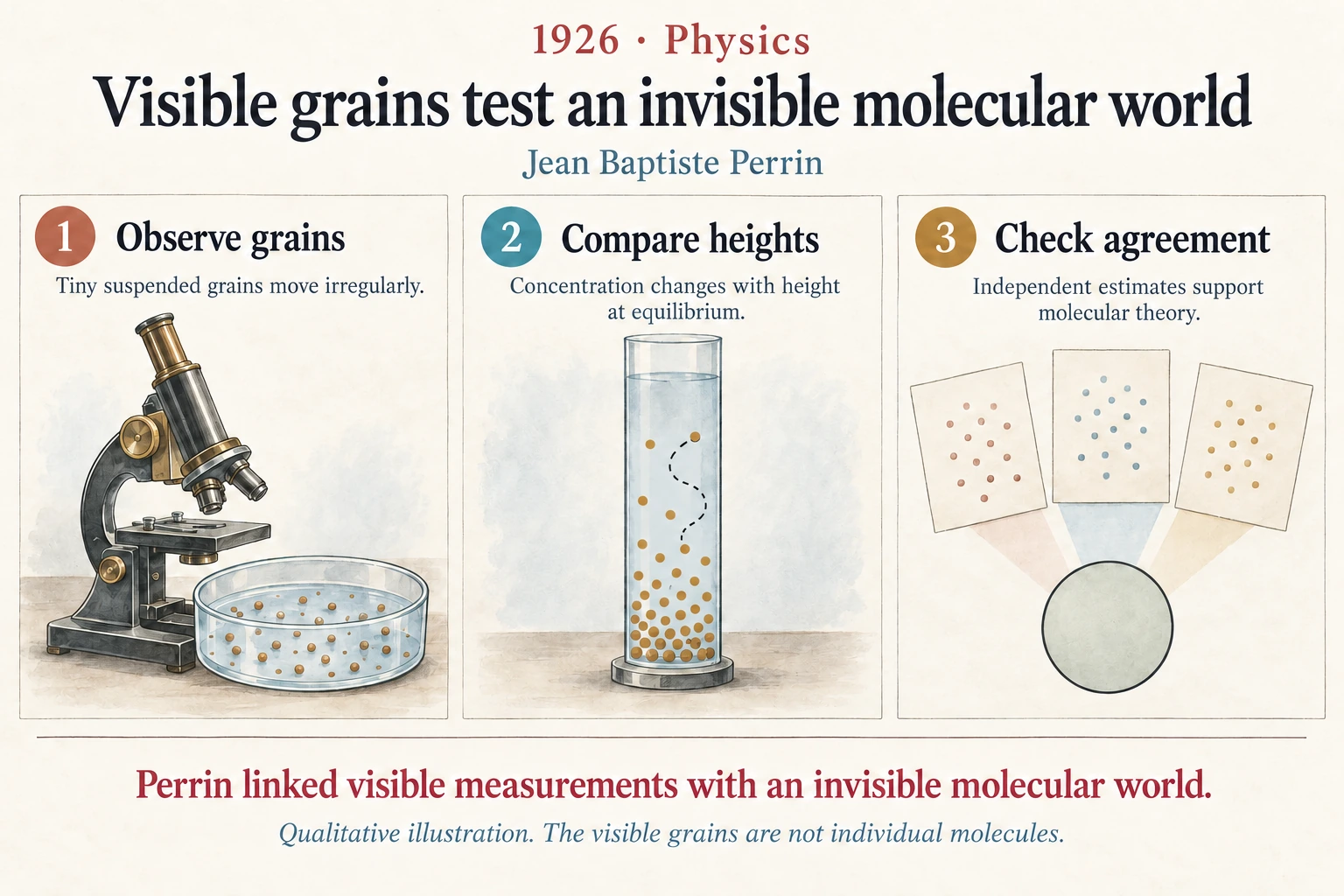
Perrin measured the motion and distribution of suspended grains. Independent estimates agreed, strengthening the evidence that matter consists of atoms and molecules.

Brownian motionSedimentation equilibriumMolecular reality
1926Physics

Visual guide

The prize, pictured

Infographic explaining Visible grains test an invisible molecular world
Original AI-generated infographic. A conceptual overview; the explanations and sources below provide context.
Read the poster text

Perrin linked visible measurements with an invisible molecular world.

  1. Observe grains

    Tiny suspended grains move irregularly.

  2. Compare heights

    Concentration changes with height at equilibrium.

  3. Check agreement

    Independent estimates support molecular theory.

Qualitative illustration. The visible grains are not individual molecules.

01 · The discovery

The idea, in everyday language

At the start of the twentieth century, molecular explanations were powerful but not universally accepted as descriptions of physical reality. Perrin used very small suspended grains as observable probes. Their irregular Brownian motion could be understood as the result of many unequal impacts from the surrounding liquid’s molecules.

He also measured how the concentration of grains changed with height. Gravity favoured lower positions while thermal motion spread the grains through the liquid. At sedimentation equilibrium the overall distribution remained steady even though individual grains kept moving. Agreement among independent estimates of molecular numbers made the argument stronger than a single suggestive observation.

Why it matters

The measurements made molecular theory experimentally testable and supported estimates of Avogadro’s number. They helped turn a dispute about the reality of atoms into a comparison between theory and reproducible observations.
02 · The people

Who brought the idea to life?

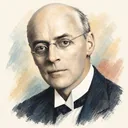
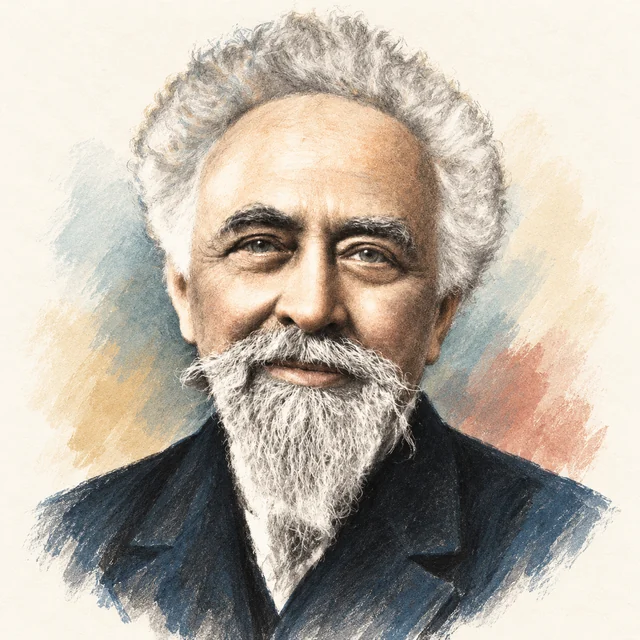
Illustrated portrait of Jean Baptiste Perrin

Jean Baptiste Perrin

Prize share · 1

Perrin received the full Physics Prize for work on the discontinuous structure of matter, especially sedimentation equilibrium. Measurements of suspended grains tested molecular theory and gave consistent estimates of molecular numbers.

Read the biography ↗

03 · Years in the making

The path here

  1. 1897

    Perrin completes his doctorate and begins teaching at the Sorbonne.

  2. 1908

    Suspended-grain experiments test sedimentation equilibrium and Brownian motion.

  3. 1913

    Les Atomes presents the evidence for a molecular account of matter.

  4. 1926

    Perrin receives the full Physics Prize for work on the discontinuous structure of matter.

04 · Read further

From the original sources

Original explanations by Curionode, based on the official records below. Biographical details and affiliations refer to the award year.

  1. Official award summary nobelprize.org
  2. Award ceremony speech nobelprize.org