c.curionodeThe Nobel Archive

1925 · Physics

Atoms exchange energy in definite steps

Franck and Hertz measured energy exchange when electrons struck atoms. Their collision experiments supported discrete atomic energy states; the 1925 prize was awarded in 1926.

Electron impactsAtomic excitationDiscrete energy states
1925Physics

Visual guide

The prize, pictured

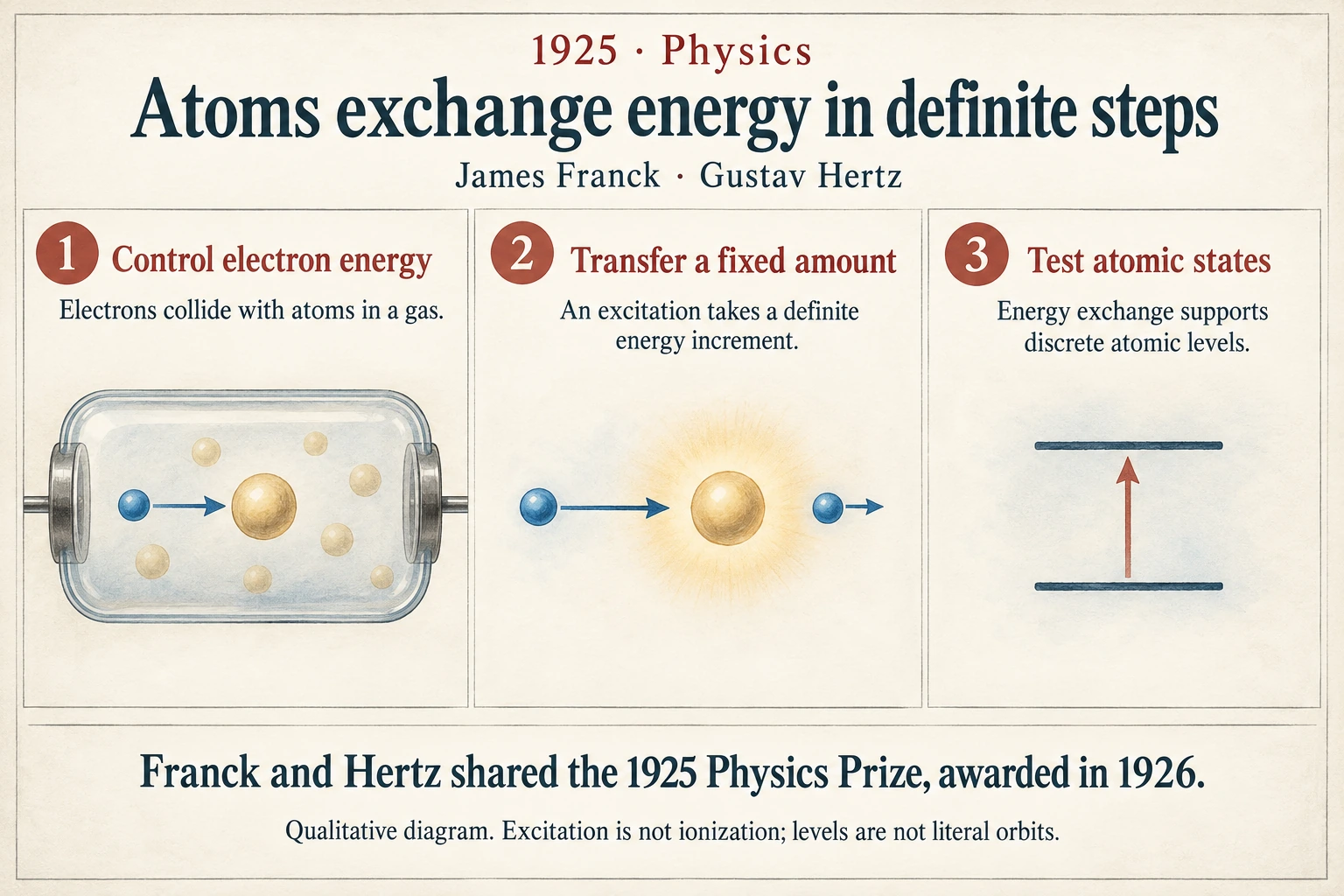
Infographic explaining Atoms exchange energy in definite steps
Original AI-generated infographic. A conceptual overview; the explanations and sources below provide context.
Read the poster text

Franck and Hertz shared the 1925 Physics Prize, awarded in 1926.

  1. Control electron energy

    Electrons collide with atoms in a gas.

  2. Transfer a fixed amount

    An excitation takes a definite energy increment.

  3. Test atomic states

    Energy exchange supports discrete atomic levels.

Qualitative diagram. Excitation is not ionization; levels are not literal orbits.

01 · The discovery

The idea, in everyday language

Could an atom accept any small amount of energy, or only particular amounts? Franck and Hertz investigated by sending electrons through a gas and varying the energy supplied to them. The measured electrical current showed changes that could be connected with electrons losing energy in collisions with atoms.

When enough energy was available for excitation, a collision could transfer a definite amount to an atom. The electron retained the energy left over. The results helped establish a connection between atomic energy states and the light atoms emit when changing states. This was evidence for discrete energy exchanges, rather than a demonstration that every detail of an early orbit model was correct.

Why it matters

The experiments gave researchers a way to investigate atoms through controlled collisions, complementing evidence from spectra. Franck and Hertz refined earlier electron-through-gas methods into tools for studying energy exchange and atomic structure.
02 · The people

Who brought the idea to life?

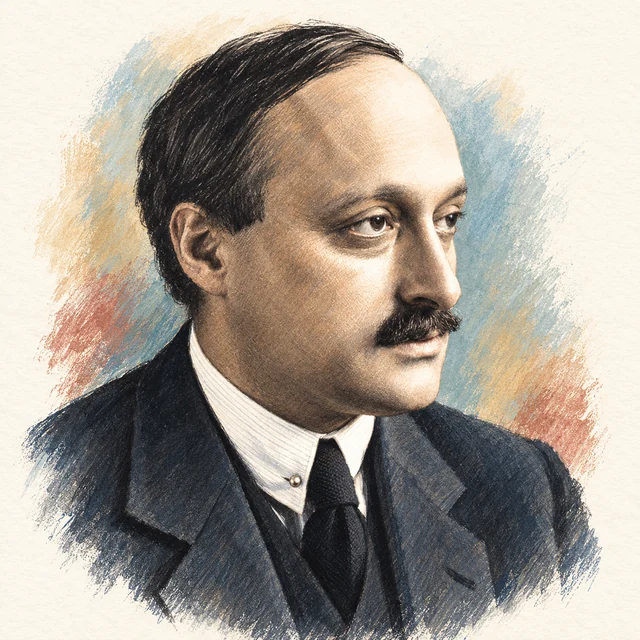
Illustrated portrait of James Franck

James Franck

Prize share · 1/2

Franck shared the Physics Prize equally with Hertz for discovering laws governing electron impacts on atoms. Their experiments helped establish the discrete energy exchanges associated with atomic excitation.

Read the biography ↗
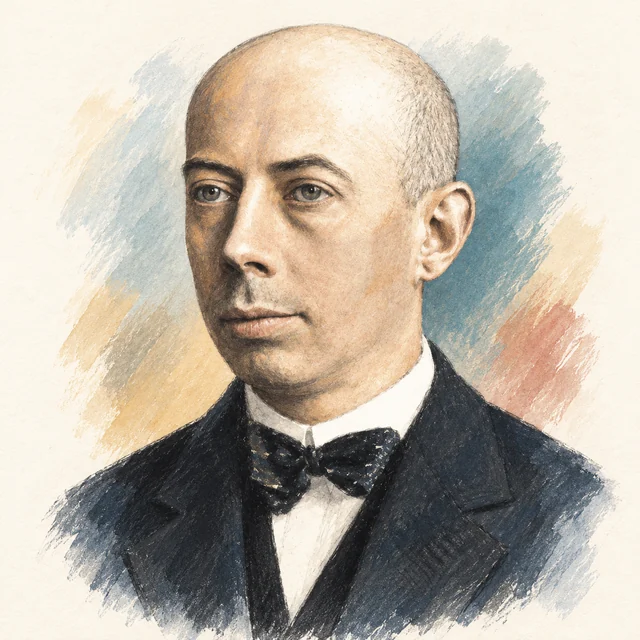
Illustrated portrait of Gustav Hertz

Gustav Hertz

Prize share · 1/2

Hertz shared the Physics Prize equally with Franck for laws governing electron–atom collisions. Their measurements linked electron energy loss with the allowed excitation energies of atoms.

Read the biography ↗

03 · Years in the making

The path here

  1. 1906

    Franck completes his doctorate in Berlin.

  2. 1913

    Hertz and Franck begin their electron-impact studies together.

  3. 1914

    Their collision experiments provide evidence for discrete atomic energy exchange.

  4. 1926

    The reserved 1925 Physics Prize is announced and presented to Franck and Hertz.

04 · Read further

From the original sources

Original explanations by Curionode, based on the official records below. Biographical details and affiliations refer to the award year.

  1. Official award summary nobelprize.org
  2. Award ceremony speech nobelprize.org