c.curionodeThe Nobel Archive

1931 · Peace

Two different routes toward organized peace

Addams built social-reform and women’s peace networks. Butler promoted conciliation, arbitration and international agreements. Their shared prize did not make their political positions identical.

Women’s peace organizingInternational lawArbitrationSocial reform
1931Peace

Visual guide

The prize, pictured

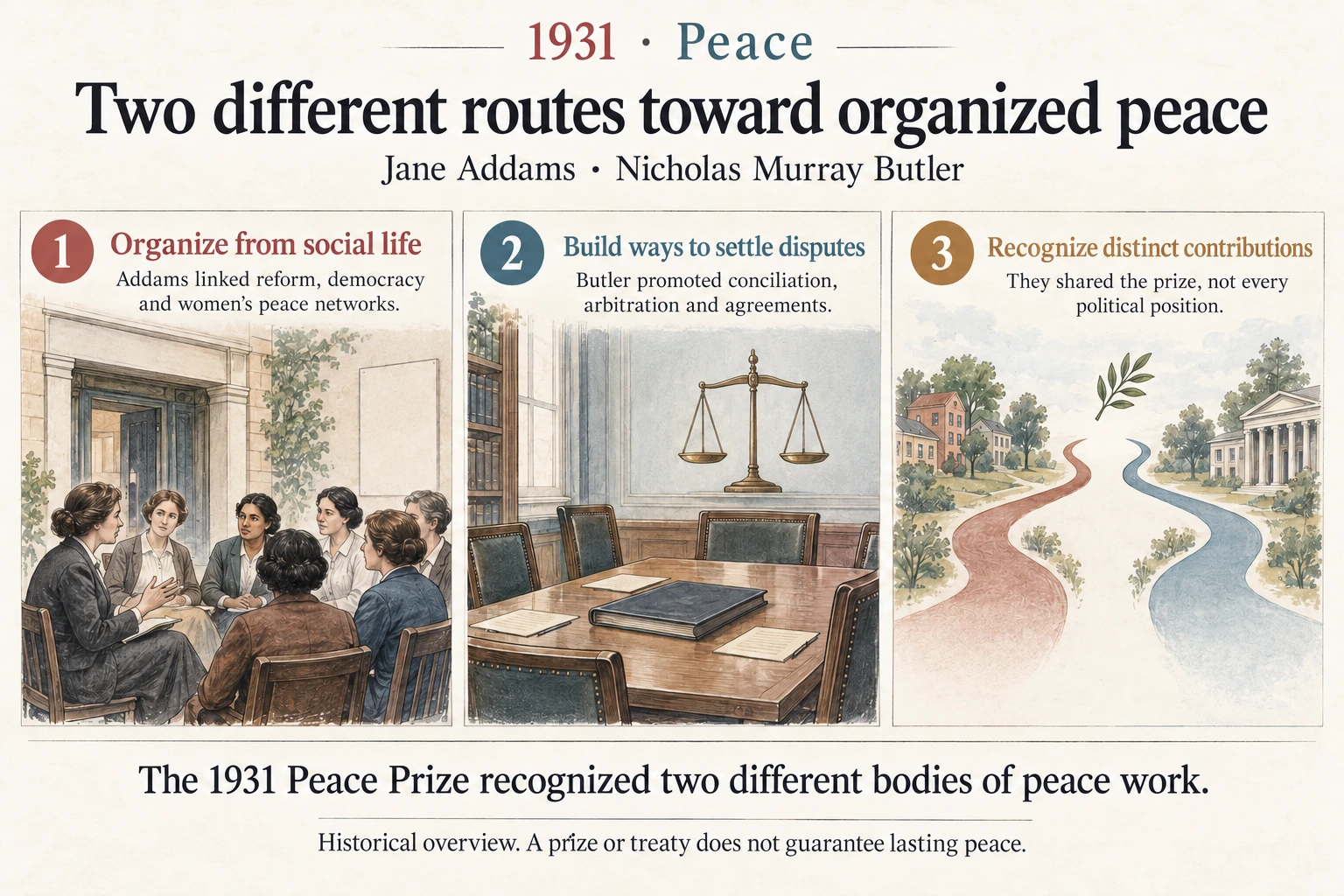
Infographic explaining Two different routes toward organized peace
Original AI-generated infographic. A conceptual overview; the explanations and sources below provide context.
Read the poster text

The 1931 Peace Prize recognized two different bodies of peace work.

  1. Organize from social life

    Addams linked reform, democracy and women’s peace networks.

  2. Build ways to settle disputes

    Butler promoted conciliation, arbitration and agreements.

  3. Recognize distinct contributions

    They shared the prize, not every political position.

Historical overview. A prize or treaty does not guarantee lasting peace.

01 · The contribution

The idea, in everyday language

For Addams, peace was connected with democratic participation and the material conditions of life. Hull House, co-founded with Ellen Gates Starr in 1889, developed education and social reform through sustained local work. Internationally, she chaired the 1915 Hague women’s congress with organizers including Aletta Jacobs. The movement adopted the WILPF name and constitution in 1919. She opposed American entry into the First World War and worked for relief across former enemy lines.

Butler pursued peace through public influence, international conciliation and legal agreements. Columbia’s president and, from 1925, president of the Carnegie Endowment, he advocated institutions for resolving disputes and supported the movement toward the 1928 Kellogg–Briand Pact. He supported American entry into the First World War, unlike Addams. Their equal prize shares recognize distinct bodies of work, not a joint treaty or a common view on every conflict.

Why it matters

The award brought recognition to women’s international organizing and to the effort to replace interstate force with consultation and law. Such work widened the institutions and constituencies involved in peace politics. Recognition does not establish that the organizations or the pact prevented later war.
02 · The people

Who brought the idea to life?

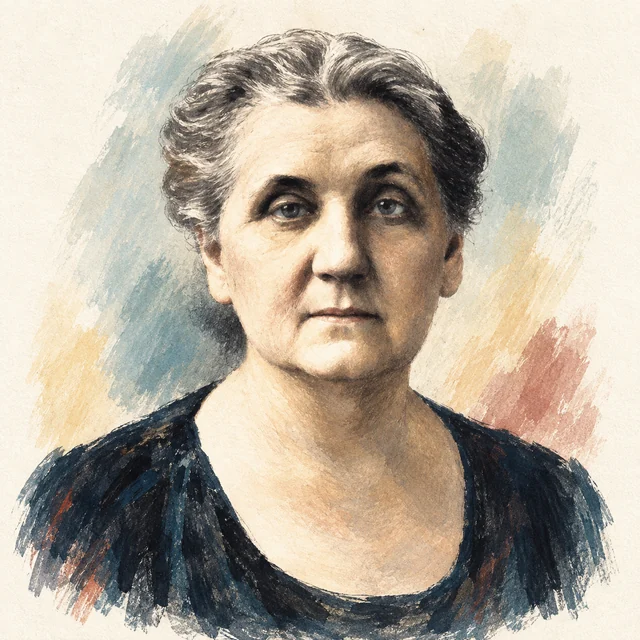
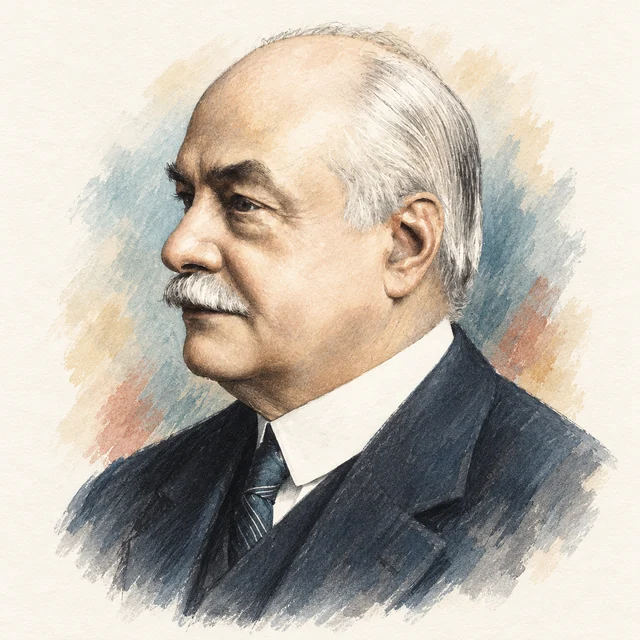
Illustrated portrait of Jane Addams

Jane Addams

Prize share · 1/2

Addams received half the Peace Prize for international peace organizing and the social and democratic commitments behind it. Her leadership of women’s peace networks grew from sustained collective work, not a single successful treaty.

Read the biography ↗
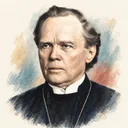
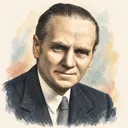
Illustrated portrait of Nicholas Murray Butler

Nicholas Murray Butler

Prize share · 1/2

Butler received half the Peace Prize for promoting international conciliation, arbitration and peace institutions. His approach emphasized diplomacy and legal agreements rather than Addams’s opposition to wartime participation.

Read the biography ↗

03 · Years in the making

The path here

  1. 1889

    Addams and Ellen Gates Starr establish Hull House in Chicago.

  2. 1915–1919

    The Hague women’s congress develops into the movement adopting the WILPF name and constitution.

  3. 1928–1931

    The Kellogg–Briand Pact is signed; Addams and Butler later share the Peace Prize equally.

04 · Read further

From the original sources

Original explanations by Curionode, based on the official records below. Biographical details and affiliations refer to the award year.

  1. Official award summary nobelprize.org
  2. Award ceremony speech nobelprize.org
  3. WILPF: movement origins wilpf.org
  4. WILPF: centenary history wilpf.org
  5. Columbia: antisemitism during Butler’s presidency professorsemeritus.columbia.edu