c.curionodeThe Nobel Archive

1968 · Peace

Human dignity in an international declaration

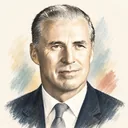
Cassin worked to give human rights a clear place in international cooperation. The prize recognised his struggle for the rights expressed in the Universal Declaration.

Human rightsUniversal DeclarationDignity and peace
1968Peace

Visual guide

The prize, pictured

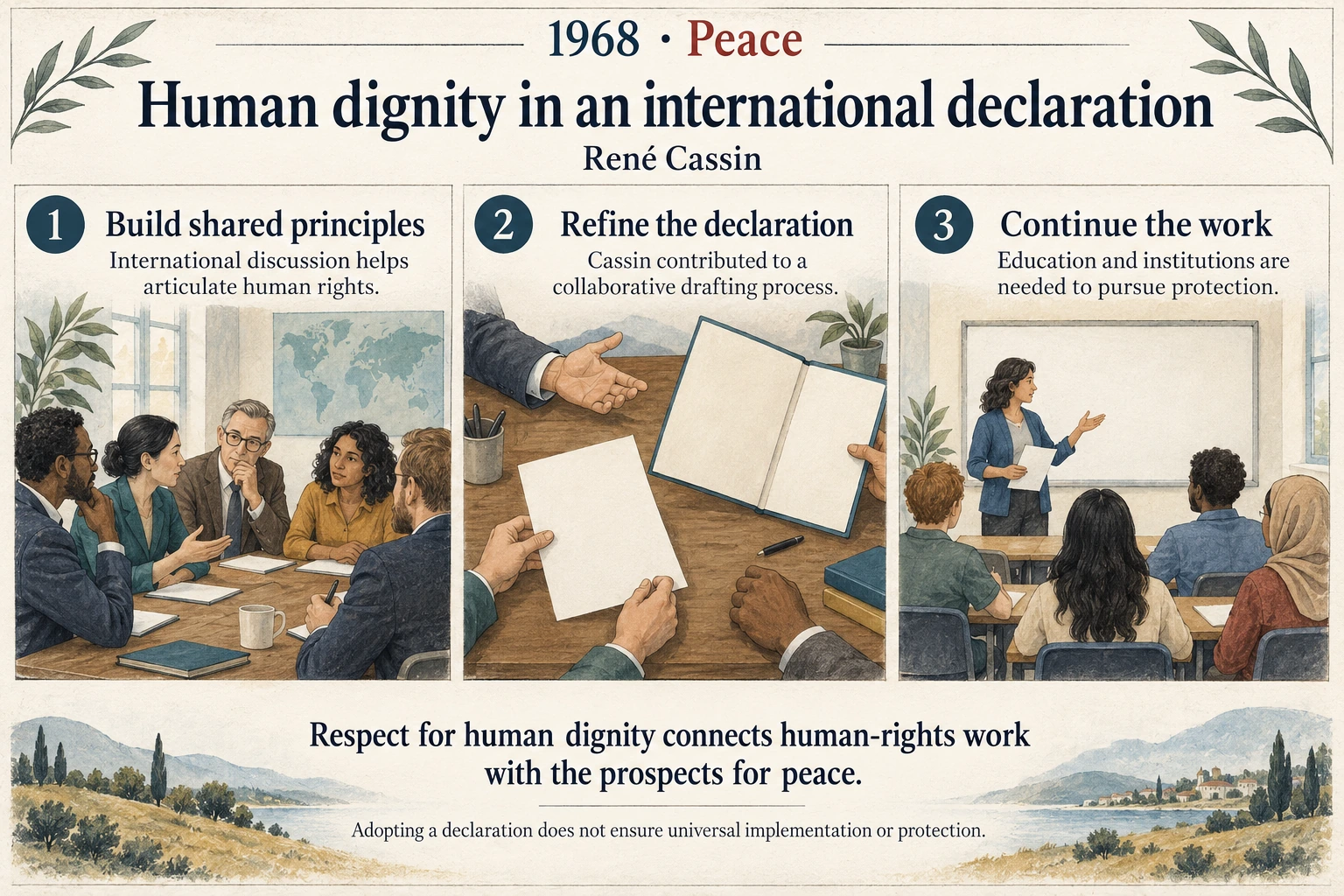
Infographic explaining Human dignity in an international declaration
Original AI-generated infographic. A conceptual overview; the explanations and sources below provide context.
Read the poster text

Respect for human dignity connects human-rights work with the prospects for peace.

  1. Build shared principles

    International discussion helps articulate human rights.

  2. Refine the declaration

    Cassin contributed to a collaborative drafting process.

  3. Continue the work

    Education and institutions are needed to pursue protection.

Adopting a declaration does not ensure universal implementation or protection.

01 · The contribution

The idea, in everyday language

The declaration adopted in 1948 set out common principles concerning dignity, freedoms and social rights. Cassin played a central role in drafting and refining it, within a process involving many delegates, legal traditions and political perspectives.

His work extended from formulation to education and efforts toward implementation. Participation in the United Nations and European human-rights institutions connected principles with continuing questions of protection and accountability.

Why it matters

The prize linked respect for individual dignity with peace. It recognised sustained legal and humanitarian work, alongside the wider collective effort that produced and advanced an international human-rights framework.

02 · The people

Who brought the idea to life?

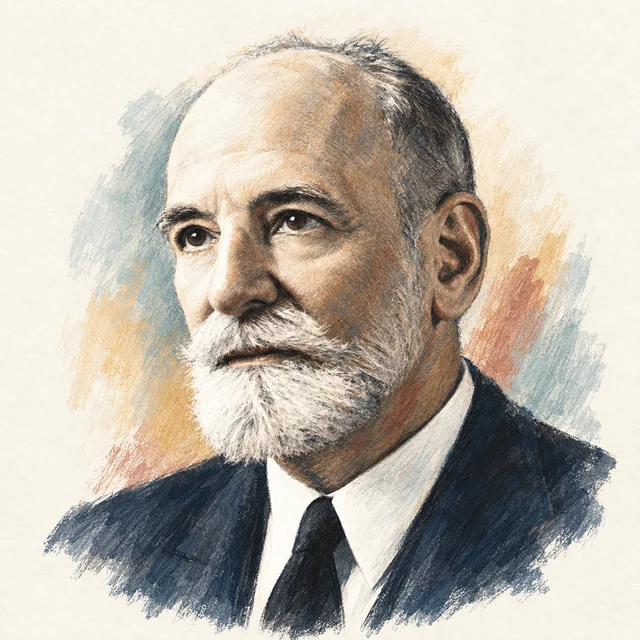
Illustrated portrait of René Cassin

René Cassin

Prize share · 1

Cassin helped draft and advance the Universal Declaration and worked for human-rights protection. He received the full Peace Prize.

Read the biography ↗

03 · Years in the making

The path here

  1. 1914

    Cassin completes his doctorate.

  2. 1924–1938

    He represents France at the League of Nations.

  3. 1946

    He participates in the UN Commission on Human Rights.

  4. 1948

    The Universal Declaration is adopted.

  5. 1965–1968

    He serves as European Court of Human Rights president.

  6. 1968

    He receives the Peace Prize.

04 · Read further

From the original sources

Original explanations by Curionode, based on the official records below. Biographical details and affiliations refer to the award year.

  1. Official award summary nobelprize.org
  2. Award ceremony speech nobelprize.org
  3. UN drafting committee history research.un.org
  4. Official biography: René Cassin nobelprize.org