A life in context
The person behind the prize
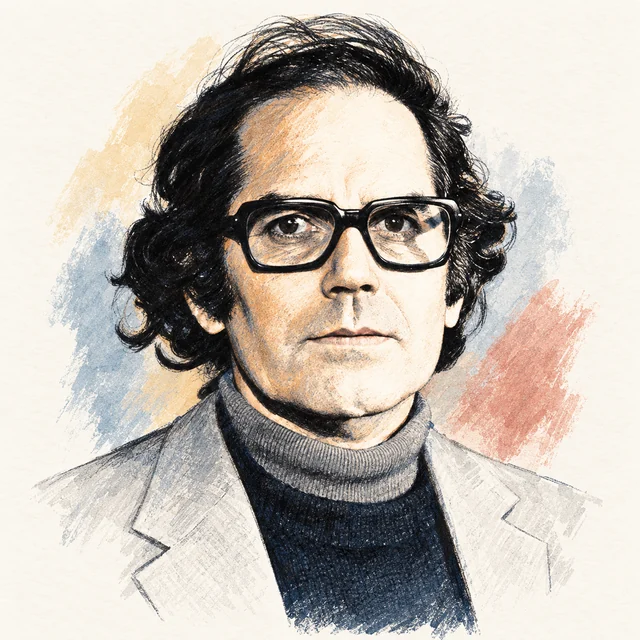
Pérez Esquivel trained in architecture and sculpture and taught before devoting his work to nonviolent human-rights organizing. A 1968 meeting in Montevideo began efforts to connect Latin American groups; in 1974 he became secretary-general of Servicio Paz y Justicia and left his teaching post. The network joined religious and civic commitments with practical assistance, including support for rural workers, labour rights and legal aid. Argentina’s military repression placed this work under severe pressure. He was detained in 1977 and released in May 1978 with restrictions. The 1980 Peace Prize recognized an individual whose work depended on a wider network and on the persistence of people asserting their rights.
The contribution
Pérez Esquivel coordinated nonviolent efforts to defend human rights in Latin America, including social and economic rights, despite imprisonment and repression. He received the full Peace Prize as an individual; Servicio Paz y Justicia was the network through which he worked, rather than the prize recipient.
The idea in plain language
Military rule, detention and disappearances made human-rights work dangerous in Argentina and elsewhere in Latin America. Pérez Esquivel’s response combined public witness with practical organization. Through Servicio Paz y Justicia, groups could share information, assist rural workers and labour organizations, and offer legal support.
Read the full award story ↗

