01 · The contribution
The idea, in everyday language
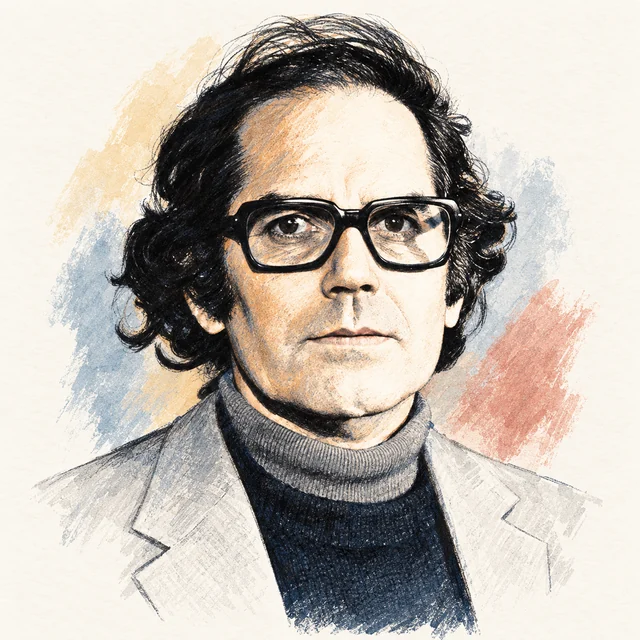
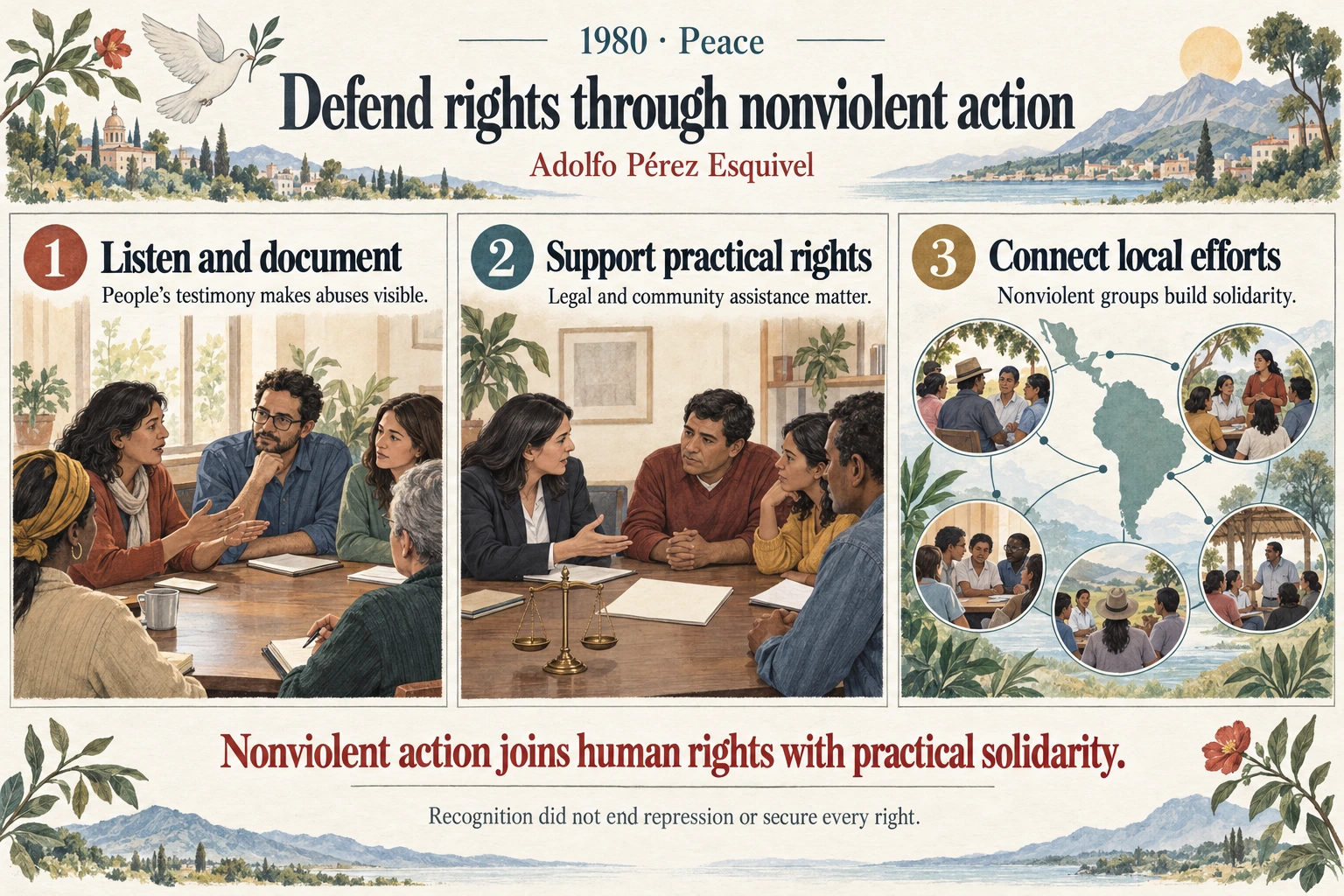
Military rule, detention and disappearances made human-rights work dangerous in Argentina and elsewhere in Latin America. Pérez Esquivel’s response combined public witness with practical organization. Through Servicio Paz y Justicia, groups could share information, assist rural workers and labour organizations, and offer legal support.
Nonviolence described active methods of resistance rather than acceptance of injustice. Coordination helped isolated people and local struggles reach wider audiences. Pérez Esquivel’s imprisonment in 1977 and restricted release in 1978 were part of the pressure on this work. The 1980 award honoured him as an individual while recognizing the importance of the wider movement.
Why it matters
The award drew international attention to nonviolent human-rights efforts and to the link between dignity, social justice and peace. Assistance and documentation gave rights a practical form, with affected communities acting as participants. Pérez Esquivel’s work was rooted in Christian commitments but involved cooperation beyond a single individual or institution.