A life in context
The person behind the prize
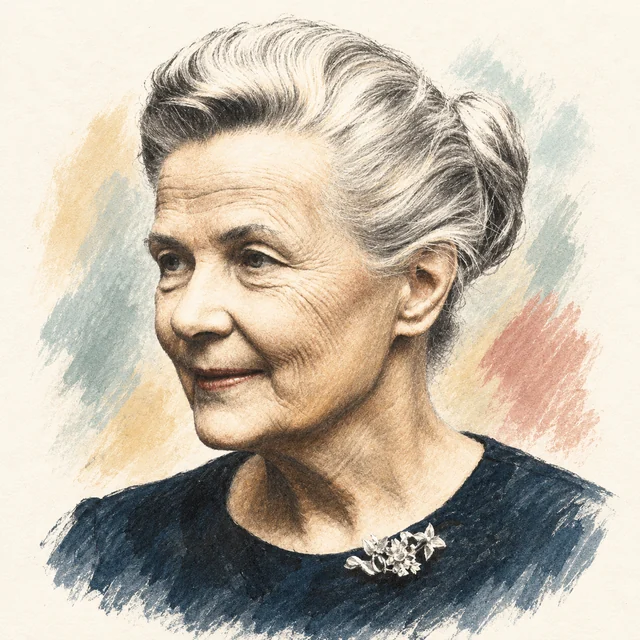
Myrdal combined work on social welfare, education and women’s opportunities with a later international career. She graduated from university and married Gunnar Myrdal in 1924; they collaborated on population and welfare questions in the 1930s. After the Second World War she held senior social-policy posts in the United Nations system and UNESCO. She became Sweden’s ambassador to India in 1955. In 1962 she entered parliament and represented Sweden at the Geneva disarmament negotiations; in 1967 she joined the cabinet with responsibility for disarmament. She helped establish SIPRI and used books, including The Game of Disarmament, to examine the arms race critically. Her 1982 Peace Prize was separate from Gunnar Myrdal’s 1974 Economics Prize.
The contribution
Myrdal pressed for substantive disarmament through expert diplomacy and public scrutiny. Representing non-aligned Sweden, she challenged the superpowers and advocated nuclear-weapon-free zones. She received one half of the Peace Prize. Her contribution should not be confused with García Robles’s Latin American treaty negotiations or with a claim that the arms race had ended.
The idea in plain language
Myrdal represented Sweden in Geneva’s disarmament negotiations from 1962 and later served as the minister responsible for disarmament. She used technical knowledge and public argument to challenge the superpowers’ arms race. Her work connected diplomacy with scrutiny of the gap between promises and actual reductions.
Read the full award story ↗