A life in context
The person behind the prize
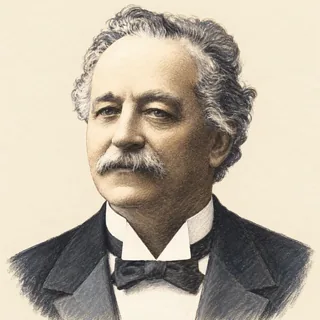
Charles Albert Gobat was born at Tramelan in Switzerland and studied law at several universities, completing a doctorate at Heidelberg in 1867. He practised law in Bern and Delémont and taught French civil law before becoming increasingly involved in politics and education. From 1882 he held public responsibilities in the canton of Bern, promoting primary education, language learning and alternatives to a narrowly classical curriculum. He served in the Swiss Council of States and later in the National Council. International arbitration became a practical political concern rather than an abstract ideal. Gobat participated in the Inter-Parliamentary Union from its early years. The Union had grown from cooperation involving Frédéric Passy and Randal Cremer and brought legislators together across national borders. At its 1892 Bern conference a central Inter-Parliamentary Bureau was established, with Gobat as director. He organised annual meetings, prepared agendas and resolutions, edited publications and encouraged the formation of parliamentary groups in additional countries. This was sustained, unpaid administrative work. The 1902 Peace Prize gave him one half, chiefly for this practical direction of the IPU, while Élie Ducommun received the other half for the separate International Peace Bureau. The two offices were both in Bern, but they should not be merged into a single organisation. Parliamentary cooperation could build political support for arbitration without becoming a world legislature empowered to impose decisions on states. After Ducommun died in 1906, Gobat also took over leadership of the International Peace Bureau. He lived to see that organisation receive its own Peace Prize in 1910. The later toast published on the Nobel website in his honour dates from 18 July 1906, separate from Ducommun’s 1904 toast and from the award year. Gobat died in Bern in 1914. His contribution demonstrates how international meetings require durable institutions, agendas, records and follow-through, while the failure to prevent the First World War exposes the limits of the movement’s influence.
The contribution
Gobat organised the Inter-Parliamentary Union’s international work through its central bureau. His half share chiefly recognised parliamentary administration; leadership of the separate International Peace Bureau followed after Ducommun’s death.
The idea in plain language
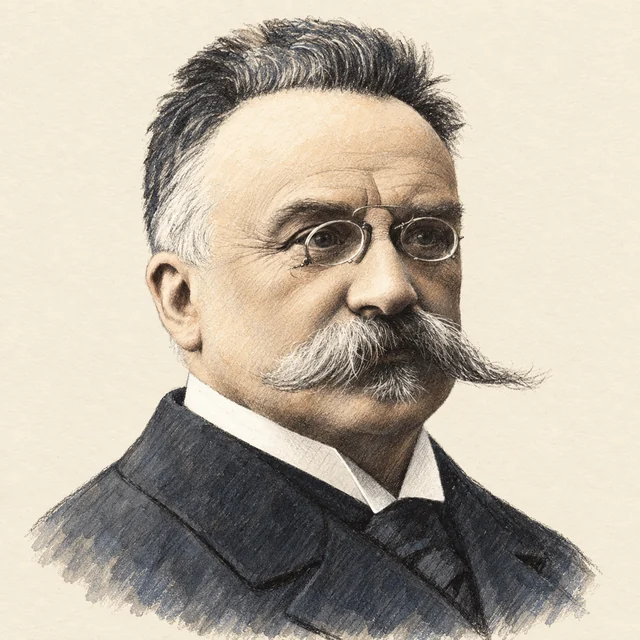
International campaigns need reliable communication, records and meetings. Ducommun’s work at the Peace Bureau connected societies in different countries, circulated information and resolutions, and helped organise congresses. An enduring office made scattered efforts easier to coordinate.
Read the full award story ↗