c.curionodeThe Nobel Archive

1902 · Peace

Make international peace work function day by day

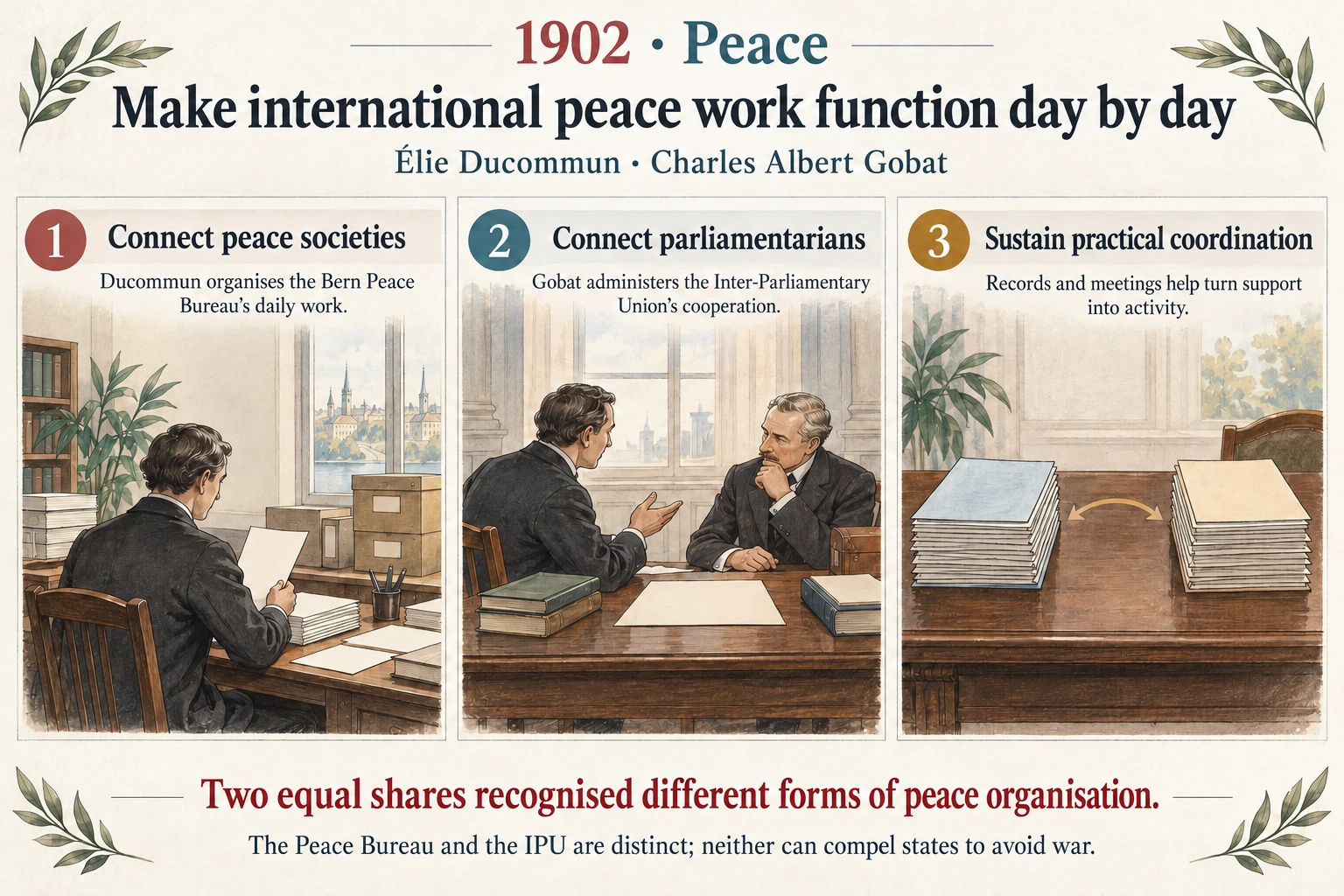
Ducommun coordinated public peace societies through the Bern Peace Bureau. Gobat organised cooperation among legislators through the Inter-Parliamentary Union. The equal shares recognised distinct forms of practical administration.

Peace societiesParliamentary diplomacyInstitutional work
1902Peace

Visual guide

The prize, pictured

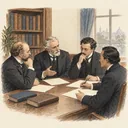
Infographic explaining Make international peace work function day by day
Original AI-generated infographic. A conceptual overview; the explanations and sources below provide context.
Read the poster text

Two equal shares recognised different forms of peace organisation.

  1. Connect peace societies

    Ducommun organises the Bern Peace Bureau’s daily work.

  2. Connect parliamentarians

    Gobat administers the Inter-Parliamentary Union’s cooperation.

  3. Sustain practical coordination

    Records and meetings help turn support into activity.

The Peace Bureau and the IPU are distinct; neither can compel states to avoid war.

01 · The contribution

The idea, in everyday language

International campaigns need reliable communication, records and meetings. Ducommun’s work at the Peace Bureau connected societies in different countries, circulated information and resolutions, and helped organise congresses. An enduring office made scattered efforts easier to coordinate.

Gobat’s Inter-Parliamentary Bureau served a different constituency: legislators working across borders. Agendas, publications, national parliamentary groups and annual conferences helped turn general support for arbitration into organised political activity. Gobat took over the separate Peace Bureau only after Ducommun’s death in 1906.

Why it matters

The prize drew attention to the institutions and ongoing work behind public causes. It recognised coordination of civil society and parliamentary diplomacy as complementary ways of building support for arbitration and cooperation.
02 · The people

Who brought the idea to life?

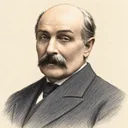
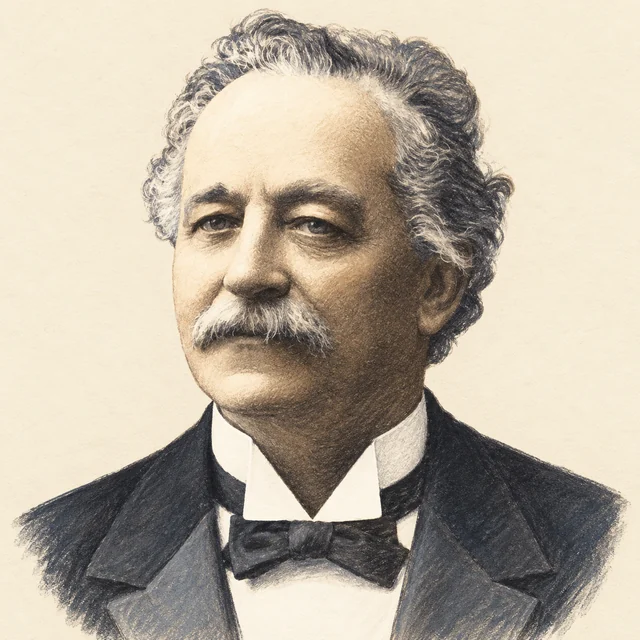
Illustrated portrait of Élie Ducommun

Élie Ducommun

Prize share · 1/2

Ducommun coordinated peace societies through the Bern Peace Bureau, maintaining the information and congress work that connected them. His half share recognised this sustained administration, distinct from Gobat’s IPU work.

Read the biography ↗
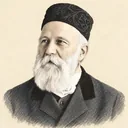
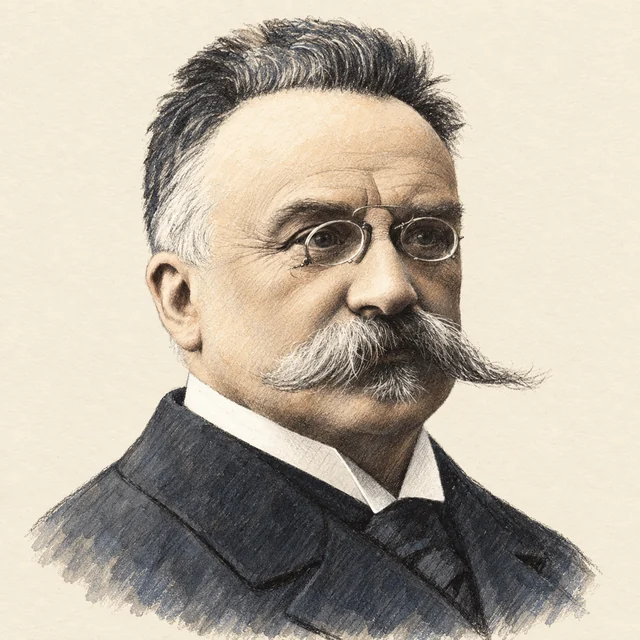
Illustrated portrait of Charles Albert Gobat

Charles Albert Gobat

Prize share · 1/2

Gobat organised the Inter-Parliamentary Union’s international work through its central bureau. His half share chiefly recognised parliamentary administration; leadership of the separate International Peace Bureau followed after Ducommun’s death.

Read the biography ↗

03 · Years in the making

The path here

  1. 1833 / 1843

    Ducommun and Gobat are born, respectively.

  2. 1889

    The Inter-Parliamentary Union begins its international conferences.

  3. 1891–1892

    The Peace Bureau is established in Bern with Ducommun as secretary-general.

  4. 1892

    Gobat takes charge of the central Inter-Parliamentary Bureau.

  5. 1902

    Ducommun and Gobat each receive half the Peace Prize.

  6. 1906

    Ducommun dies; Gobat succeeds him at the Peace Bureau.

  7. 1910

    The Peace Bureau itself receives a separate organisational prize.

  8. 1914

    Gobat dies in Bern.

04 · Read further

From the original sources

Original explanations by Curionode, based on the official records below. Biographical details and affiliations refer to the award year.

  1. Official award summary nobelprize.org
  2. Historical banquet toasts (1904 and 1906) nobelprize.org
  3. International Peace Bureau: its early organisation ipb.org