A life in context
The person behind the prize
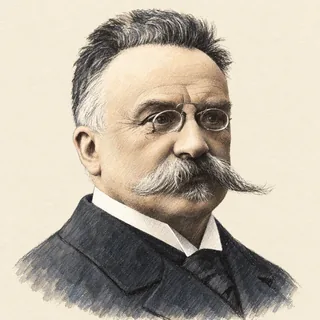
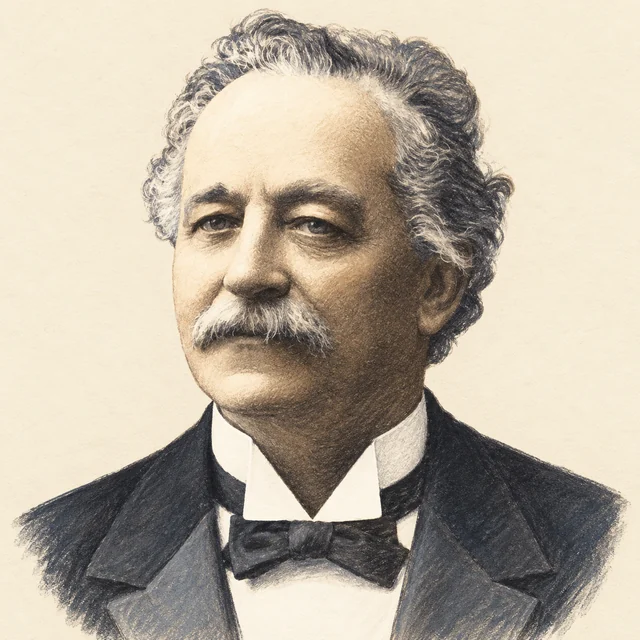
Élie Ducommun was born in Geneva and worked as a tutor in Saxony before returning to teaching and journalism in Switzerland. He became editor of the Revue de Genève in 1855, held public office in Geneva and moved to Bern in 1865. Journalism, translation, poetry, politics and business administration formed overlapping parts of his working life. He founded the journal Der Fortschritt and edited Les États-Unis d’Europe for the International League for Peace and Freedom. Work in railway administration gave him experience in managing correspondence, schedules and institutions, skills he also brought to the peace movement. A practical problem confronted that movement: societies in different countries could advocate similar aims while lacking a reliable means to coordinate information and action. Ducommun helped organise the permanent office that became the International Peace Bureau in Bern in 1891–1892, following consultations at the Universal Peace Congresses. As its first secretary-general, working without salary, he prepared congress material, circulated resolutions, maintained correspondence and archives, and connected organisations across borders. The work depended on sustained administration rather than a single diplomatic settlement. He also argued that education could help people choose peaceful ways of resolving disputes, including international arbitration. The 1902 Peace Prize awarded him one half for his direction of the Bern Peace Bureau. The other half went to Albert Gobat principally for administration of the Inter-Parliamentary Union, a different organisation serving the parliamentary side of the movement. The Nobel website’s later toast to Ducommun dates from 16 May 1904 and should not be presented as a December 1902 speech. Ducommun continued leading the Bureau until his death in 1906, when Gobat succeeded him. The organisation itself received the 1910 Peace Prize; that was a separate award to an institution, not another personal prize for Ducommun. His career shows how newsletters, records, congress planning and patient coordination can provide essential infrastructure for a public cause, while such work cannot by itself compel governments to avoid war.
The contribution
Ducommun coordinated peace societies through the Bern Peace Bureau, maintaining the information and congress work that connected them. His half share recognised this sustained administration, distinct from Gobat’s IPU work.
The idea in plain language
International campaigns need reliable communication, records and meetings. Ducommun’s work at the Peace Bureau connected societies in different countries, circulated information and resolutions, and helped organise congresses. An enduring office made scattered efforts easier to coordinate.
Read the full award story ↗