A life in context
The person behind the prize
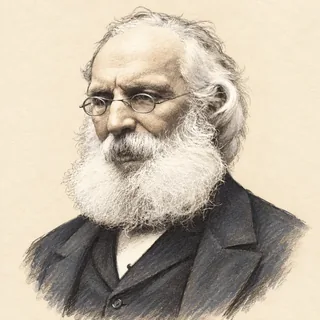
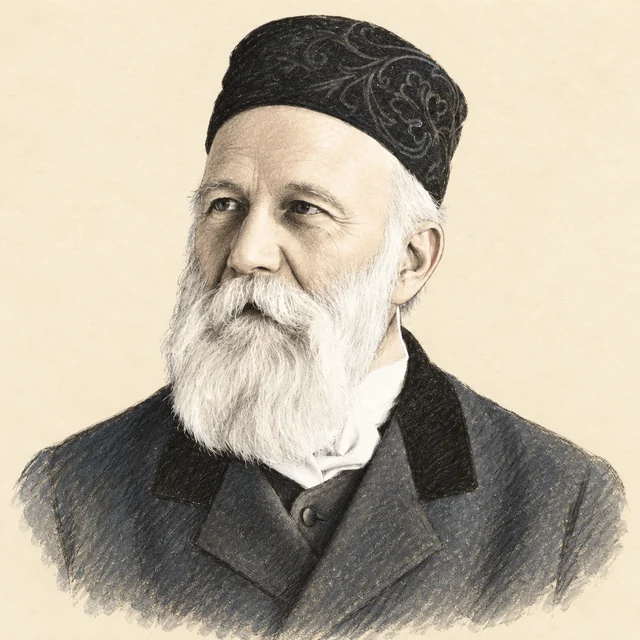
Henry Dunant was born in Geneva in 1828 into a family active in religious and charitable work. He became involved in the YMCA and also pursued business interests in North Africa. A journey connected with his Algerian business brought him to northern Italy in 1859, where he encountered the aftermath of the battle of Solferino. The large number of wounded soldiers and the shortage of organised care led him to help with relief and to ask how such suffering could be reduced in future wars. In 1862 he published A Memory of Solferino, combining an account of what he had seen with proposals for voluntary relief societies and an international agreement protecting wounded soldiers and those caring for them. His initiative depended on other organisers, medical workers and governments to become durable institutions. A Geneva working group first met in February 1863, with Dunant as secretary. An international conference that October advanced the creation of national relief societies. In August 1864 governments adopted the first Geneva Convention, establishing obligations concerning care for wounded soldiers regardless of which army they belonged to. Dunant was therefore an initiator in a collective process, rather than the sole author of every later Geneva Convention or the only founder of the Red Cross. His humanitarian work also developed alongside a troubled business career rooted in colonial North Africa. Bankruptcy in 1867 brought public disgrace and helped end his active role in Geneva. Years of insecurity and isolation followed. He eventually lived at Heiden in Switzerland, where renewed publicity in the 1890s brought his earlier contribution back to public attention. In 1901 he received half of the first Peace Prize, alongside Frédéric Passy. Their work addressed different parts of the problem of war: Dunant sought impartial care and legal protection during conflict, while Passy promoted arbitration intended to prevent disputes from becoming wars. The Nobel ceremony account does not record either laureate’s presence and says that both were released from delivering Nobel Lectures. Dunant died at Heiden in 1910. The ICRC later received Peace Prizes as an organisation; those awards belong to its separate institutional identity, not to Dunant as a repeated individual laureate. His legacy lies in making organised humanitarian protection an international concern, without implying that a treaty alone can guarantee compliance or remove the causes of war.
The contribution
Dunant helped turn the suffering he witnessed after Solferino into proposals for organised relief and international legal protection. His half share recognised humanitarian initiative developed through collective action and institutions.
The idea in plain language
After Solferino, Dunant proposed relief societies and international protection for wounded soldiers. Collective organising led to the early Red Cross institutions and the first Geneva Convention, requiring care without making a wounded person’s side the test.
Read the full award story ↗