c.curionodeThe Nobel Archive

1901 · Peace

Protect people in war and seek peaceful settlement

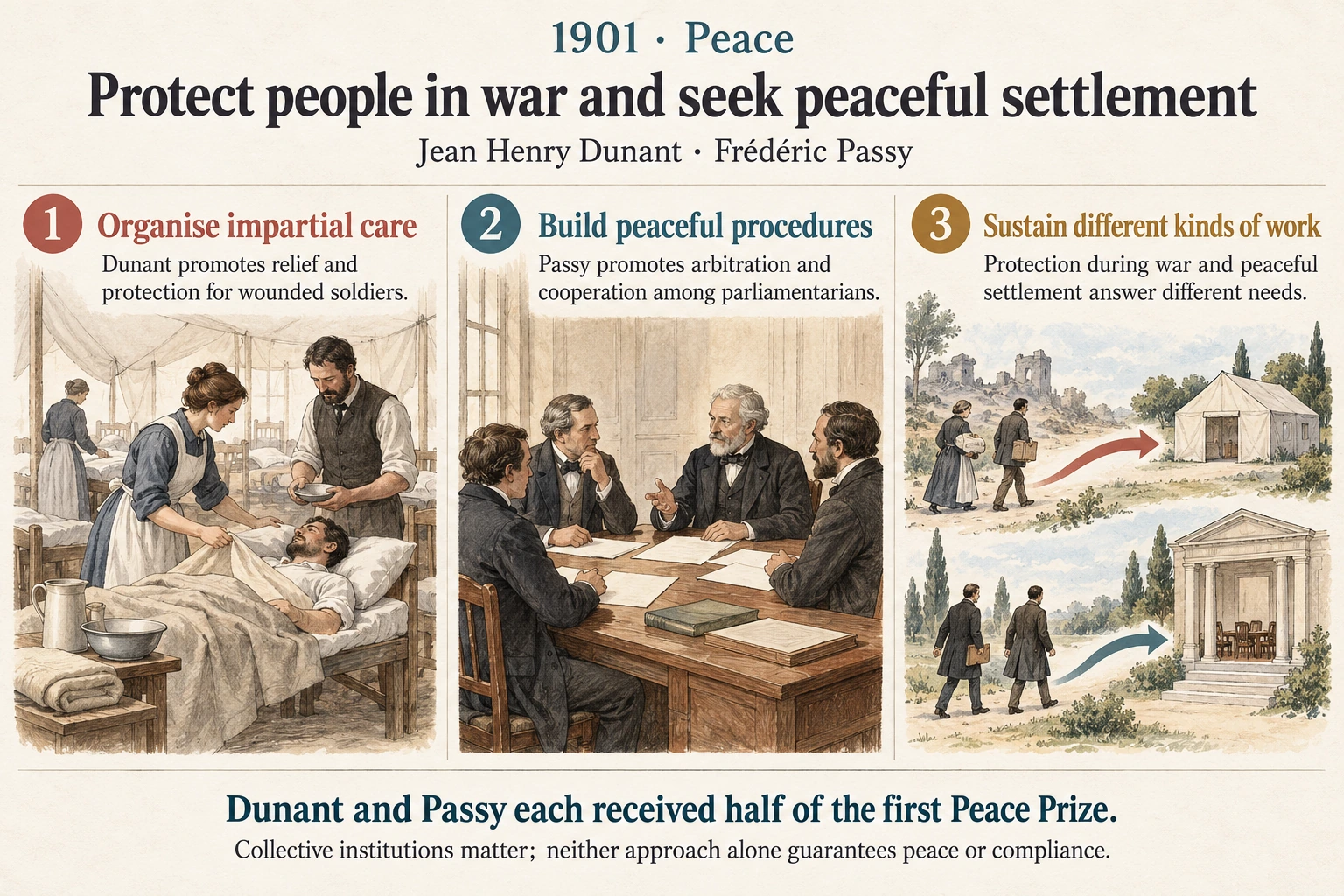
The first Peace Prize paired two approaches. Dunant promoted organised relief and protection for war victims; Passy built support for arbitration and cooperation among parliamentarians.

Humanitarian protectionArbitrationInternational cooperation
1901Peace

Visual guide

The prize, pictured

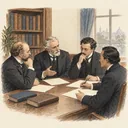
Infographic explaining Protect people in war and seek peaceful settlement
Original AI-generated infographic. A conceptual overview; the explanations and sources below provide context.
Read the poster text

Dunant and Passy each received half of the first Peace Prize.

  1. Organise impartial care

    Dunant promotes relief and protection for wounded soldiers.

  2. Build peaceful procedures

    Passy promotes arbitration and cooperation among parliamentarians.

  3. Sustain different kinds of work

    Protection during war and peaceful settlement answer different needs.

Collective institutions matter; neither approach alone guarantees peace or compliance.

01 · The contribution

The idea, in everyday language

After Solferino, Dunant proposed relief societies and international protection for wounded soldiers. Collective organising led to the early Red Cross institutions and the first Geneva Convention, requiring care without making a wounded person’s side the test.

Passy promoted agreed procedures for settling disputes without war. Peace associations, public argument and cooperation with Cremer helped establish international parliamentary contacts and the IPU. Each man received half of the 1901 prize for his own contribution.

Why it matters

The award recognised both the protection of people during conflict and sustained efforts to avoid conflict through institutions and public cooperation. It also made the first Peace Prize broader than a single negotiation or one kind of activism.
02 · The people

Who brought the idea to life?

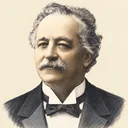
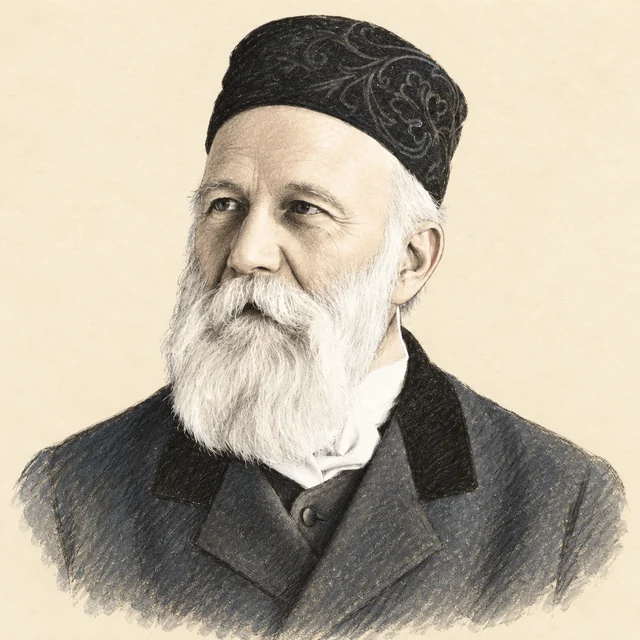
Illustrated portrait of Jean Henry Dunant

Jean Henry Dunant

Prize share · 1/2

Dunant helped turn the suffering he witnessed after Solferino into proposals for organised relief and international legal protection. His half share recognised humanitarian initiative developed through collective action and institutions.

Read the biography ↗
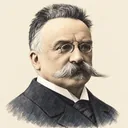
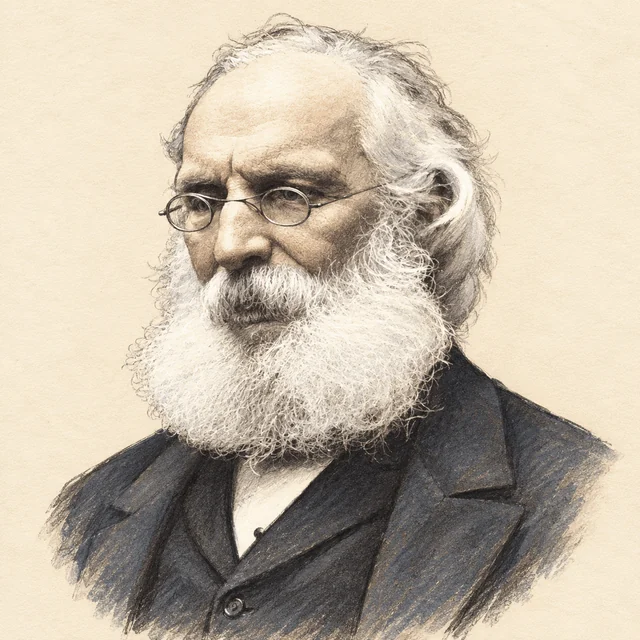
Illustrated portrait of Frédéric Passy

Frédéric Passy

Prize share · 1/2

Passy promoted arbitration and built peace organisations, including cooperation with Cremer that helped found the IPU. His half of the 1901 Peace Prize recognised sustained work to settle international disputes peacefully.

Read the biography ↗

03 · Years in the making

The path here

  1. 1822 / 1828

    Passy and Dunant are born, respectively.

  2. 1859

    Dunant encounters the aftermath of Solferino.

  3. 1862

    A Memory of Solferino appears.

  4. 1863 / 1864

    A Geneva working group and international conference are followed by the first Geneva Convention.

  5. 1867

    Passy helps establish a peace league in Paris; Dunant’s bankruptcy disrupts his Geneva work.

  6. 1888 / 1889

    Passy and Cremer’s contacts lead to the Inter-Parliamentary Conference.

  7. 1901

    Dunant and Passy each receive half of the first Peace Prize.

  8. 1910 / 1912

    Dunant and Passy die, respectively.

04 · Read further

From the original sources

Original explanations by Curionode, based on the official records below. Biographical details and affiliations refer to the award year.

  1. Official award summary nobelprize.org
  2. First Peace Prize ceremony account nobelprize.org
  3. ICRC: Dunant and the first Geneva Convention icrc.org
  4. Inter-Parliamentary Union: co-founder Frédéric Passy ipu.org