A life in context
The person behind the prize
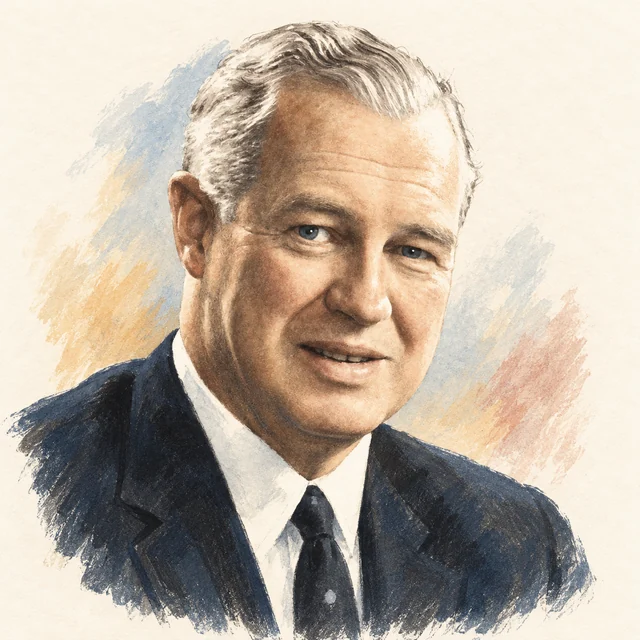
Todd graduated at Glasgow in 1928, completed doctoral research with Walter Borsche at Frankfurt in 1931, and earned a second doctorate with Robert Robinson at Oxford in 1933. Work in Edinburgh and London preceded his appointment to Manchester’s chemistry chair in 1938. He became professor of organic chemistry at Cambridge in 1944. His research combined chemical synthesis with analysis of natural compounds, developing evidence for the structure and connections of nucleotides and related coenzymes. Baddiley and Todd reported adenylic-acid and adenosine-diphosphate synthesis in 1947; Baddiley, A. M. Michelson and Todd reported adenosine-triphosphate synthesis in Nature in May 1948. These were parts of a broader collaborative investigation of biologically important chemical structures. Knighted in 1954, he received the full 1957 prize at Cambridge. His peerage as Baron Todd dates from 1962; the official catalog’s later title Lord Todd refers to the same recipient, Nobel identity 221.
The contribution
Todd established chemical structures and connections in nucleotides and nucleotide coenzymes through synthesis and analysis. He received the full Chemistry Prize.
The idea in plain language
Identifying the components of a biological substance did not establish how they were connected. Nucleotides combine a base, a sugar and phosphate groups; related structures also occur in coenzymes. Researchers needed chemical evidence for the arrangement and links, beyond a list of ingredients.
Read the full award story ↗

