A life in context
The person behind the prize
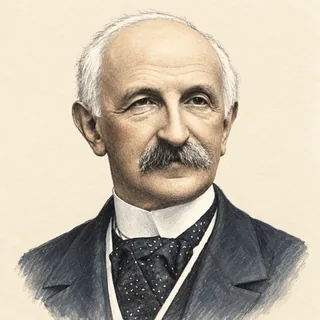
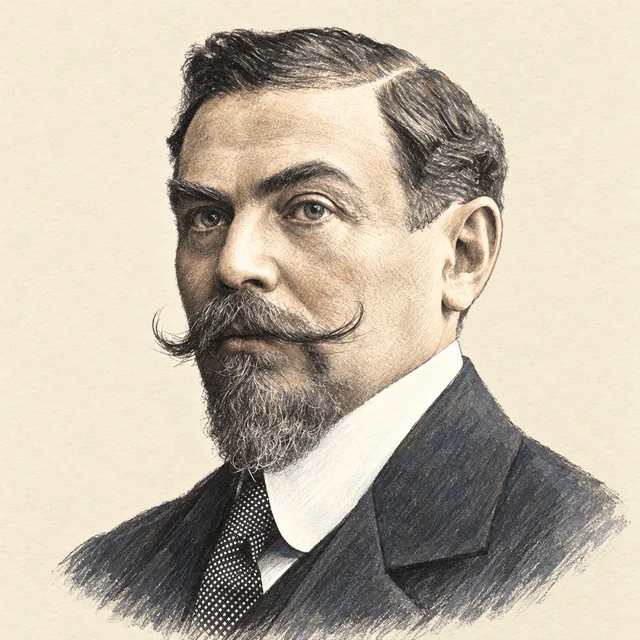
Alfred Hermann Fried left school early in Vienna and entered the book trade, later establishing a publishing business in Berlin. Reading and journalism became his route into the international peace movement. In 1892 he worked with Bertha von Suttner on the journal Die Waffen nieder!, which shared its title with her earlier novel but was a separate publication. The two also helped found the German Peace Society that year. From 1899 he published Die Friedenswarte, bringing news, argument and contributions from legal scholars into a sustained public forum. His Handbook of the Peace Movement appeared in 1905 and in an expanded edition from 1911. Fried argued that disgust at war was insufficient: the absence of effective international organisation had to be addressed through law, institutions and cooperation. The 1911 Peace Prize, shared equally with Tobias Asser, recognised this effort to confront what he regarded as a central cause of war. He was absent from the ceremony and gave no Nobel lecture. During the First World War he worked from Switzerland and faced censorship. His pacifism nevertheless coexisted with defence of Germany against some accusations, complicating a picture of complete detachment from national loyalties. He died in Vienna in 1921. His journalism advocated institutions; it did not itself establish a government capable of enforcing universal peace.
The contribution
Fried received half the Peace Prize for efforts to expose and oppose the disorder in international relations that he considered a main cause of war. Journalism, publishing and peace organisations were his tools for arguing for enduring international cooperation.
The idea in plain language
A family, business or civil case can cross a border even when national laws differ. Asser helped convene the Hague private international law conferences from 1893, seeking agreed rules for jurisdiction, documents, legal assistance and family matters. Countries could cooperate through conventions rather than simply imposing one domestic law everywhere. His work also extended to international arbitration and the Hague Peace Conferences, distinct from the private-law sessions.
Read the full award story ↗